Reflections on the Ethics of Working with Infants from Museum Contexts
I have been reflecting on the work that I have been doing, particularly within museum contexts. There has been a recent increase in interest in the study of the ethics of bioarchaeological practice; however, there has been considerably less in the context of anatomical collections. This is despite the fact that the individuals collected are often from marginalised sectors of the community, e.g., institutionalised individuals.
Within the anatomical museum context, there can be a lack of clear provenance information and loss of relationship between human remains held in collections and acquisition records. However, I feel that to move forward in ethical ways, we need to know who these people were and where they came from.
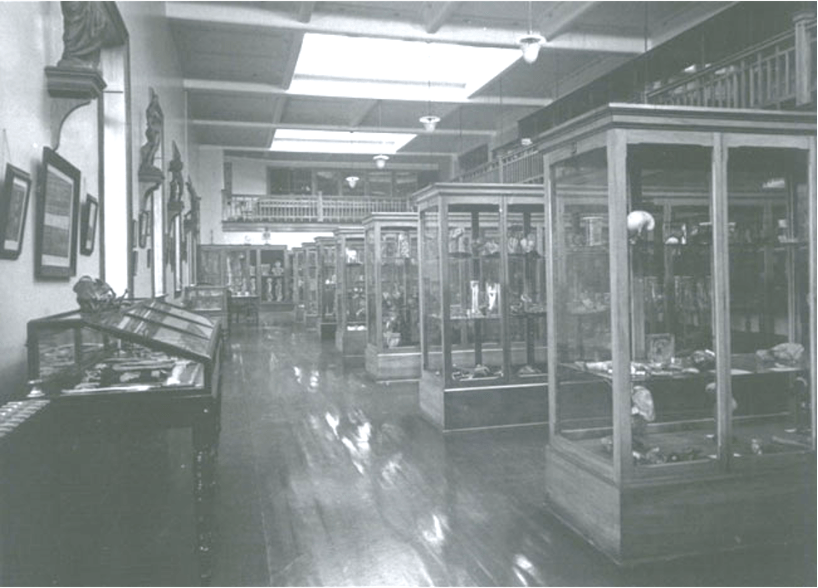
I have, with students and colleagues from Takarangi research, been focused on an analysis of the acquisition records and the skeletal and preserved human remains from the W. D. Trotter Anatomy Museum founded in 1876, which represents the largest anatomical museum in the southern hemisphere. Despite the historical nature of the collection, there is a dearth of research on the people themselves and very little research on the historical archives of acquisition practices.
Otago Bulletin
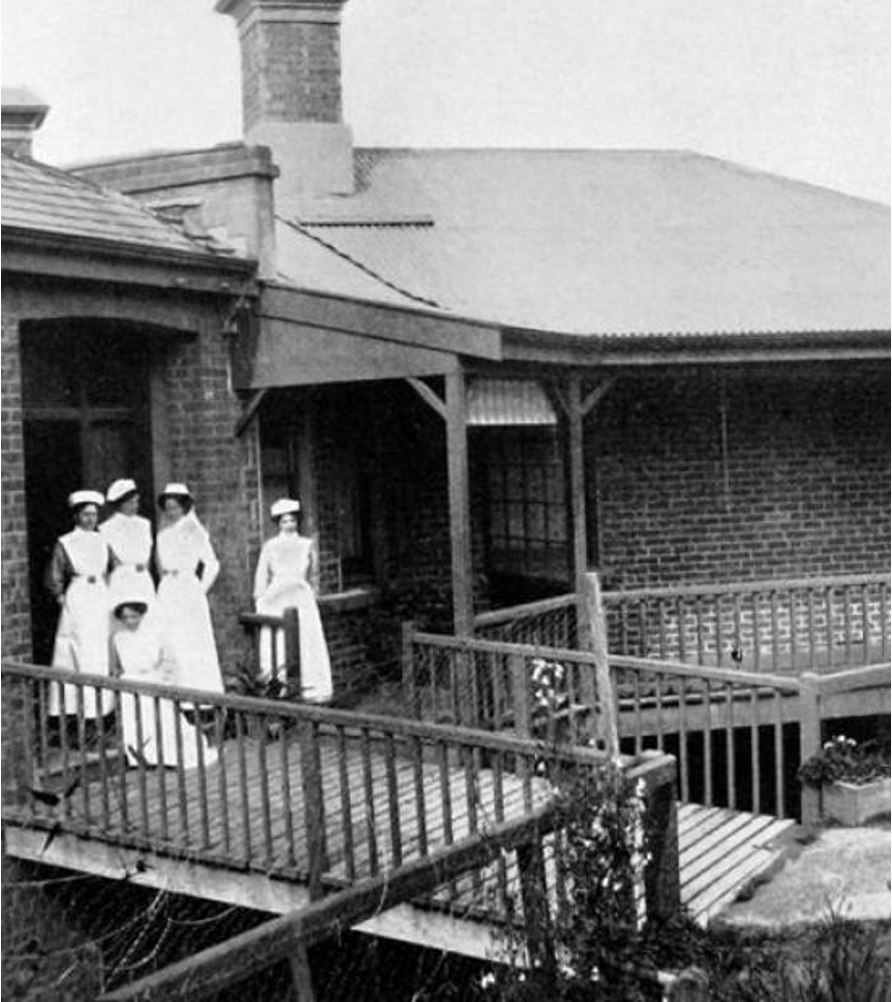
Some of our recent work has looked at the babies represented in the skeletal collections, of which there is a loss of attribution of the acquisition records to the human remains themselves. Through our analysis of the skeletal remains of the infants, we found that there was a number of preterm babies and those with developmental defects. The age-at-death and the pathology reflect the archival records of age and cause of death. The loss of attribution between the records of acquisition and the babies’ remains, along with the way in which a lot of these remains are curated by bone type rather than as individuals, also points to the anatomisation of the body, effectively stripping the individual identity of these babies. We found that of the babies for whom we had names and could find birth and/or death records, many were born to mothers who were unwed and/or from low socio-economic backgrounds. These babies were often born (and died) in mother-baby homes for the unwed (e.g., Batchelor’s Hospital).
At times, I have questioned whether this research risks repeating the very harm it seeks to address. Some have suggested that analysing these remains may re-objectify the infants, turning them once again into subjects of study. There has also been some hesitation within the university about pursuing this work.
However, I remain of the opinion that silence is not more ethical than engagement. To be transparent about what our collections contain, we must be willing to look closely—however uncomfortable that may be. For me, this work is about re-establishing connection: about naming, contextualising, and acknowledging. It is an attempt, however small, to restore fragments of identity and to confront the histories that allowed these infants to become anonymous specimens in the first place.
This research does not resolve the ethical tensions inherent in working with human remains. But it is, I hope, a step toward greater honesty, accountability, and care.
 The Bioarchaeology of Childhood | Sian Halcrow