Alien from the Atacama: What baby osteology can tell you

Numerous alien and conspiracy theories have been put forward in the past to explain archaeological finds. One such example that has gained significant media attention is the partially mummified human fetus given the name “Ata” after being found in the Atacama Desert in Northern Chile in 2003. The alien theories and human growth disorder theories that have been put forward are based on the purported unusual skeletal and soft tissue morphology. In 2013, it was reported by geneticist Garry Nolan that the DNA analyses supports that the individual is human. However at this same time it was reported that Ralph Lachman (clinical pediatric radiologist) claimed the skeletal biology was not human-like, citing numerous observations, including “the high level of calcification observed in the legs suggested it was more likely a child between the ages of five and eight years old”.

Screen Shot 2016-06-11 at 9.59.26 pm

Figure 1: Naturally mummified fetus from the Atacama Desert, Northern Chile.

Recently I was approached by a researcher, let’s call him Mr X, who was producing a report from his re-examination of the Atacama specimen. When Mr X asked my opinion to be used in his report he didn’t supply me with any primary data to base my analyses on, so my preliminary observations were based on photos I could find online. Prior to my correspondence with Mr X my colleague based in the UK was asked to comment on the specimen from an ancient DNA perspective. Although the draft report that Mr X emailed for my comments after I had given my preliminary observations concludes that this individual is most likely a human fetus, which I agree with, I was dismayed with a number of things.

Firstly, in this report draft, my colleague’s comments were taken out of context and severely criticized, and included in the report without consent. Perhaps this was because my colleague declined to be sucked into spending precious time and several thousand pounds (things that are not plentiful for scientists these days!) on aDNA analyses of the individual. I should note that my colleague was not worried about Mr X’s criticism of him, but it raised alarm bells for me.

The second issue, and one that I want to discuss here is the lack of proper osteological analyses and reporting, which reminded me somewhat of Dr Kristina Killgrove’s Who Needs an Osteologist installments. Mr X asked me to comment on Mr Z’s (human anatomist and embryologist) interpretations of his findings before writing the report. Mr X advised me to keep the report confidential, as this was being prepared for the private ‘owner’ of the remains based in Spain. The ownership of archaeological remains is problematic in itself. While Mr X had perfectly valid interpretations, a human osteologist’s input is needed for valid scientific analyses of human bone, methodological description and interpretations of the findings. I saw no explanation of age estimation methods, no reference to any human osteological developmental texts, and no inclusion of any studies of mummified soft tissues. As well as bad reporting, Mr X did not acknowledge my input into his findings.

Although I am not going to release the contents of the report, I want to share with you some of my communications with Mr X. Here are some of my explanations of previous biological ‘anomalies’ argued to exist in the Atacama specimen.

1st ‘anomaly’: The 11th and 12th pair of ribs seem to be missing in the radiographs.

My response: The ribs may not be visible in a radiograph as the 11th and 12th ribs are smaller ‘floating’ ribs in that they do not articulate anteriorly at the sternum, are not as robust, and are shorter that the other ribs. There is little information about the formation of ribs in-utero and the timing of the primary centres of ossification (where they first start forming as bone). Initial formation of the 5th-8th ribs start at about 8th-9th weeks in-utero (Scheuer and Black 2000: 238). Scheuer and Black (2000: 238) also state that “by the eleventh and twelfth weeks of intra-uterine life, each rib (often with the exception of the twelfth)”, which implies that the lower ribs are later forming, so may not be as visible in a radiograph.

2nd ‘anomaly’: The seemingly advanced stage of epyphiseal union of the femur, suggesting an age of 5-10 years.

[epiphyseal fusion refers to when the shaft of the bone and the extremity fuse together when the bone stops growing in length]

My response: The statement of the advance stage of epiphyseal fusion is incorrect. If there was fusion/union at the distal femur (which I am assuming they are talking about) this would suggest an adolescent, and thus older than 5-10 years. Regardless of this error in age estimation from epiphyseal fusion methods, I do not see evidence for union on the radiograph online – where is the ‘density’ that they are referring to? There is no ossification of the epiphyses (the unfused extremities of the femora or tibiae) to suggest that fusion of the diaphyses (shaft) and the epiphyses (extremity) would be possible. These bones and the development of these bones all look normal from my observations of the photos and radiographs online.

3rd ‘anomaly’: The epiphyseal plate x-ray density test for age determination suggested an age of 6-8 years old.

My response: This type of age estimation is problematic, and I don’t know any bioarchaeologist or forensic anthropologist who uses the method described. This can’t be applied to mummified remains if it relies on water density.

This is no alien. This was the result of a mother losing her baby early during her pregnancy in the past in South America.

474610_10151344355967437_48598741_o

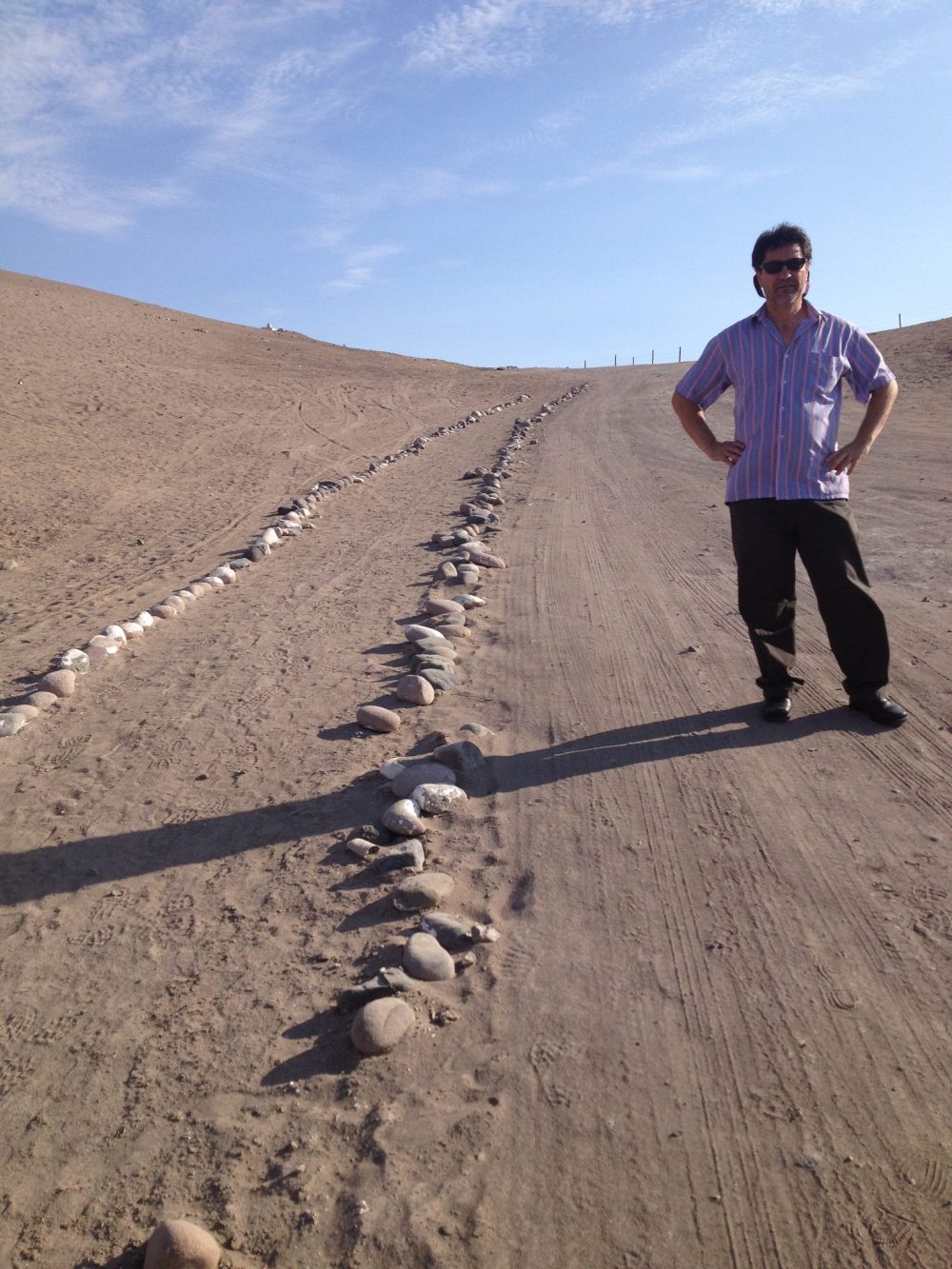
Figure 2: My archaeologist colleague on our trip to an archaeological site in Arica region, Atacama desert, Chile.

Also see my post on human fetuses in the past here.

Recent Southeast Asian bioarchaeological research showcased

Recently a bioarchaeological paper on a Southeast Asian sample that I was an author was rejected by an international biological anthropology journal. Although the reviewers deemed the paper to be scientifically sound the Academic Editor rejected it based on a subjective value judgement that the results weren’t “significant or new” and recommended that it would have been “more suitable for a regional journal”. I couldn’t help but think that if it was something from other parts of the Old World that it would have been published, and that the work we are doing in Southeast Asia is not seen as important, despite addressing issues of direct relevance to the international archaeological research community. Our paper was significant in extending knowledge on the nature of agricultural development and human stress response in a tropical rice based environment, which challenges the universally applied model of health change. Never mind that half the world’s population lives in rice subsistence based societies, nor what our work can inform on the epidemiology of disease in tropical environments, and the unique archaeological context of socio-political and agricultural development that our research can address.

So to turn this negative energy into something constructive, I thought that I would showcase some recent Southeast Asian bioarchaeological work that was presented at a panel that Marc Oxenham (Australian National University) and I organised at the recent Southeast Asian Ministers of Education Organization Regional Centre for Archaeology and Fine Arts (SEAMEO SPAFA) conference this week. The papers comprise some of the enlarging corpus of bioarchaeological work that is being done by local SE Asians and foreign researchers in the region (see also the recently edited volume The Routledge Handbook of Bioarchaeology in Southeast Asia and the Pacific Islands). Recent bioarchaeological research in Southeast Asia has been instrumental for illustrating variance to the internationally applied models of population biological response to agricultural development and intensification. There has been an increased interest in the bioarchaeological testing of explanatory models of the occupation of Mainland Southeast Asia, including a debate surrounding the suitability of the two-layered (replacement) settlement model, also of relevance to models of settlement in other parts of the world. Our session included papers with a range of methodological approaches including funerary analyses, dental and skeletal palaeopathology, isotopic analyses of diet and migration, and physical activity through entheseal (muscle attachment) changes.

The session commenced with work addressing broad issues of subsistence and natural and social environmental changes, and migration in the region. Marc Oxenham (co-authored with Anna Willis) started the session by interrogating what the ‘Neolithic’ in Southeast Asia means and asks the question of what influence farming in the region had on these communities and what implications this has for bioarchaeological interpretations. If populations are already sedentary and have high fertility and large settlement sizes, then would a pre- versus post-agricultural palaeopathological comparison be appropriate? I have also previously touched upon the issue of classification of sites into these categories here.

Charlotte King (University of Otago) then turned to a site-specific example of testing human variation during the agricultural transition using isotopic analyses to indicate diet and migration and geometric morphometrics as a genetic proxy from the prehistoric Thai site of Ban Non Wat. She did not find any definitive evidence for population replacement of the hunter-gatherer population by the early agriculturalists.

I presented a new biosocial model that is dovetailing the raft of archaeological and bioarchaeological evidence for a rapid socio-political and biological (‘health’) change in the Iron Age in the Upper Mun River Valley in northeast Thailand. By assessing the bioarchaeological evidence within an epidemiological context of the changing natural and social environment, we are starting to understand the changes of mortality and morbidity through transmission modes and the possible aetiologies of disease during this time.

Screen Shot 2016-06-02 at 9.17.59 pm.png

In light of the model of swift change in social organisation and corresponding biological changes that are being seen in the region at this time, Stacey Ward (PhD candidate, Otago) is investigating social organisation and its influence on physiological stress through growth disruption at the Thai Iron Age site of Non Ban Jak.

Rebecca Jones (PhD candidate, Australian National University) then presented on her research that is assessing zooarchaeological evidence for the change in subsistence using two Vietnamese archaeological assemblages, the pre-agricultural site of Con Co Ngua, and the agricultural site of Man Bac, Vietnam.

Korakot Boonlop (PhD candidate, Leicester) presented preliminary oral pathology data from the Neolithic site of Nong Ratchawat in West-central Thailand. Comparative analyses from other sites in the region from later periods will provide a means to assess the impact of oral health with the intensification of agriculture.

Several papers addressed issues of cultural processes on the living and the dead. Rebecca Crozier (University of the Philippines) presented some fascinating evidence for cranial modification from Cebu in the Philippines. This research is starting to look not only at the cultural aspects of this practice, but also the health implications that this modification can have on individuals.

Melandri Vlok (Honours graduate student, ANU) presented a contextualised interpretation of the bioarchaeology of care of an individual who had sustained major leg trauma at the Metal period site of Napa in the Philippines. This lead to some interesting discussions poolside after the session for the development of the bioarchaeology of care model being applied to infants and children in past societies.

Myra Lara (Graduate student, University of Philippines) showcased the diversity of archaeological mortuary treatment practices in prehistoric northern and central Philippines. Her analyses attempted to correlate mortuary treatment over time and space within the Philippines and other Islands within the wider region.

Two talks looked at evidence for activity in the past and interpreted them with wider archaeological and other contextual evidence. Dicky Caesario Wibowo (Masters student, University of Indonesia) presented his analyses of physical activity based on entheseal  changes from the late prehistoric site of Gilimanuk, Bali.

Sarah Agatha Villaluz (Graduate student, University of Philippines) assessed activity using entheseal changes in a sample from 18th century burial sites from the Philippines, and used historical and ethnographic evidence in her interpretation of possible habitual activities.

Other sessions at the conference also had biological anthropology papers, including a session on Ifugao archaeology and one on Palaeolithic archaeology.

Unfortunately a number of researchers not mentioned above couldn’t make it to our session because of the cost, which was especially prohibitive for Southeast Asian scholars. However, despite this, our session was one of the biggest at the conference, indicating the increased development of local expertise in the area. This success has stimulated me to start organising the next Southeast Asian Bioarchaeological Conference that we hope will be held in 2017. The last meeting was held in 2012 in Khon Kaen in Northeast Thailand and supported the attendance of over 70 delegates from 11 different countries. The main aim of these conferences are for the training and professional development of local students and academics in the field of bioarchaeology.


Photos courtesy SEAMEO-SPAFA

Is this really a 5,000 year old mother and baby?

A recent story of a 4,800-year-old ‘mother’ cradling a baby has been pulling at the heart strings of people worldwide with sensationalist headlines such as “Mother’s enduring love for baby revealed as 5000-year-old fossil found” and “Fossil of 5000-year-old mother cradling baby found in Taiwan”. But is this story everything it’s really cracked up to be?

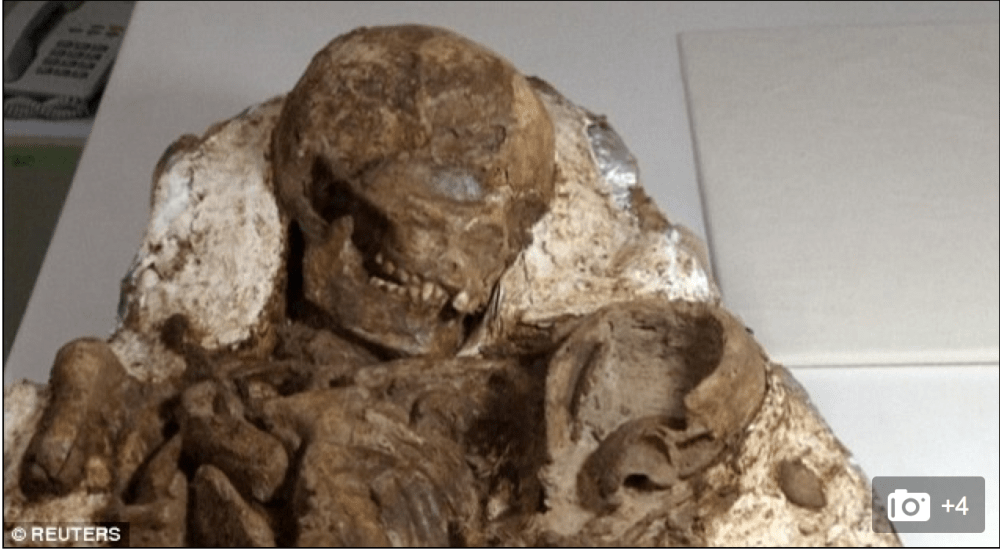
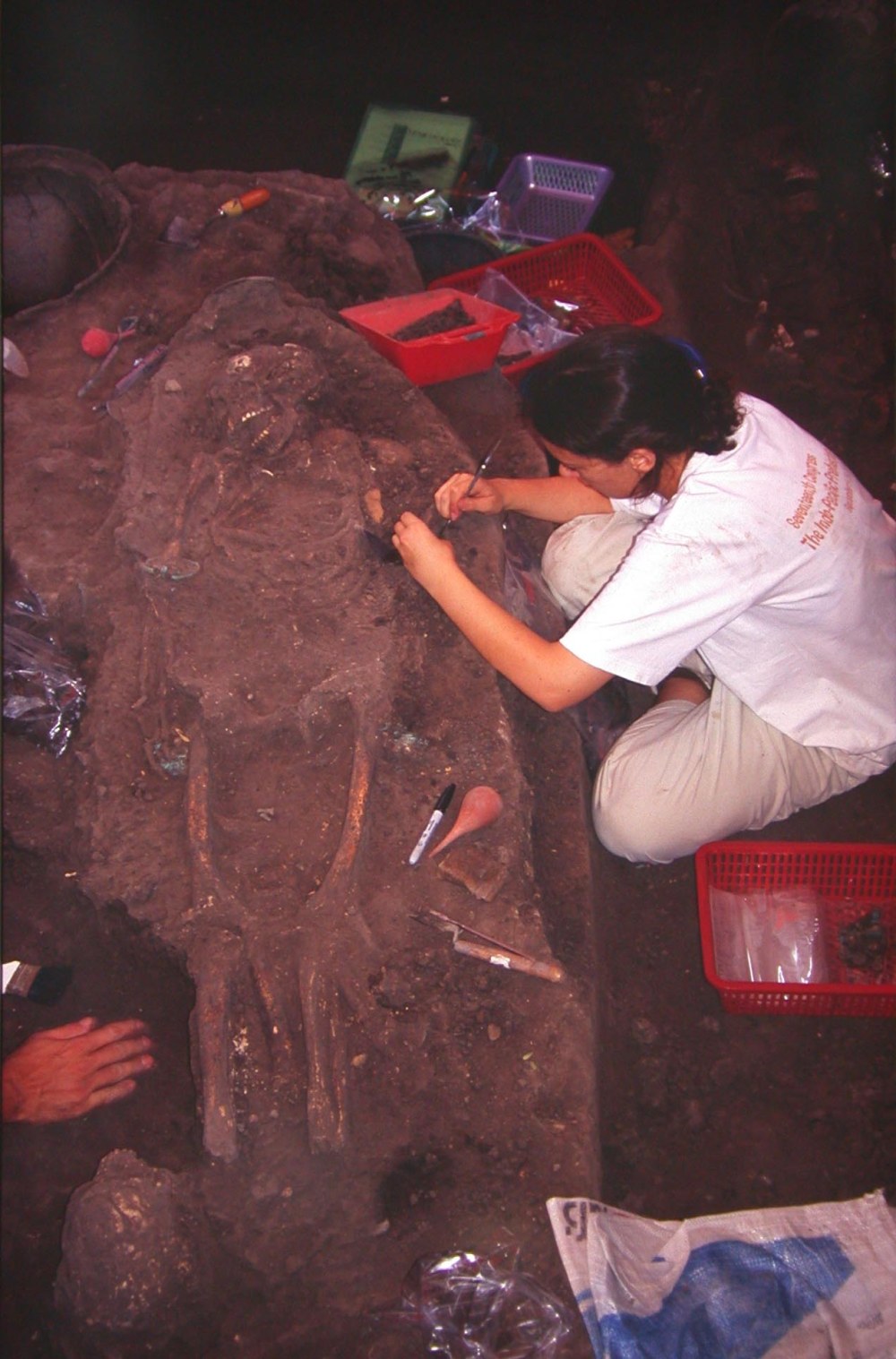
An archeological team working at a Neolithic site near the city of Taichung since 2014 has unearthed “48 sets of remains”, presumably the number of individual graves, representing the earliest burial site in Taiwan. One of these burials has been described as a mother and baby. However, the news accounts provide little information as to why the researchers believe this to be the case, apart from the placement of the baby with the adult female and the turning of her head to be “looking at her baby” (Figure 1).

Screen Shot 2016-04-29 at 4.44.59 pmFigure 1: The 4800-year-old “mother and baby” found in Taiwan (source: Reuters)

It is likely that if a female and newborn baby is found in a burial context that they died during childbirth (see my earlier post on fetuses in archaeology). Childbirth is the most critical time for both a mother and baby. This has even led some archaeologists to argue that higher mortality rates of young adult females compared with males represent the hazards of childbirth in the past.

The baby has been described as a foot and a half (about 46 cms), which is about the size of a newborn baby. However, looking at the photos and the videos from the news stories the baby looks too big to be a newborn. The only bones present seem to be from the waist-up. Looking at the relative size of the hands of the archaeologist cleaning the bones and the upper body of the baby (Figure 2), it may be that the size cited is for the upper body, supporting that the infant is older than a newborn. It is difficult to see the cranial bones to assess their development to infer an age-at-death. The cranial bones look thicker than a newborn, but it is unclear as it appears there is some concreted soil adhering to the surface of the bones. Given that this infant seems older than a newborn it is unlikely that they were mother and child.

Screen Shot 2016-04-29 at 2.47.40 pmFigure 2: Archaeologist cleaning the ‘mother-baby’ burial (photo: Reuters video).

In a small Neolithic community there may have been some kind of relationship between the adult female and the infant, or they may have only been buried together because their deaths coincided. Using a cross cultural example, in the Anglican burial tradition babies were interred with non-maternal women in instances of coinciding death (Roberts and Cox 2003: 253).

To assess if there is a biological relationship between this purported mother-baby pair, ancient DNA analyses could be undertaken, but this is difficult with preservation issues in tropical contexts. We should also keep in mind that a mother-child relationship is not always biological.

The fact that the adult female had her head turned to her left may be the result of the burial environment, as some bones can shift in open spaces such as coffins, or from the weight of soil on the bones. Further research looking at the positions of the bone could give more insight on the mode of burial.

We will have to await the scientific presentation of the findings from this site to evaluate the likelihood for this purported mother and baby.

Bacterial bioerosion of bone may help identify stillborn infants from the past

New research using novel microscopic investigation of bacterial bioerosion of archaeological bone has shown that you can differentiate between stillborn and post-newborn babies. This was most exciting to me as offering a means to contribute to the debate of the interpretation of infanticide in the past, through an investigation of time of death.

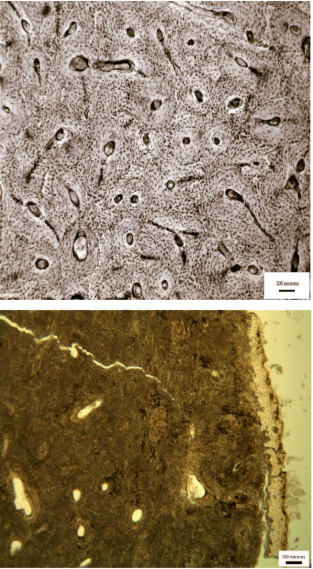
Bioerosion is the removal of mineralised substrate through the action of organisms, and has been found to be the most common form of microbial attack of archaeological bone (Figure 1). The author of this new research, Tom Booth from the Natural History Museum, notes that although it was once believed that soil bacteria caused most of this bioerosion in bone, it is the gut microbia that is responsible for corpse putrification that causes this process. Based on the findings that it is the bacteria inside the body that produces this bioerosion, the author thought that this could be useful for assessing different mortuary treatments of the body.

Screen Shot 2016-03-12 at 9.06.06 pm

Figure 1: Transmitted light micrograph of a human fresh bone transverse femoral thin section (top) demonstrating perfect microstructural preservation and a typical archaeological femoral section (bottom) where the internal microstructure has been extensively altered by bacteria (from Booth et al., 2015).

To investigate if there is any relationship between bacterial bone bioerosion and funerary treatment, Booth undertook a microscopic analysis of human bones from European prehistoric (4000 B.C. – A.D. 43) and British historical (A.D. 43 – present day) sites. These two assemblages were used as they have been found to have different funerary practices, with the historic period sites practicing burial soon after death, whereas the prehistoric sites have more variable mortuary practices, sometimes including postmortem modification. E.g. Booth and colleagues’ work that found evidence for mummification in Bronze Age Britain using this microscopic method has recently received media attention.

This research shows that irrespective of burial environment, including antiquity or soil type, there was immaculate histological preservation of almost half of the neonatal samples. This is interpreted as the result of sterility of stillborn infant intestinal tracts resulting in the bones being unaffected by the process of bacterial tunneling. In addition, most (12/15) of the unbioeroded newborn samples are from historical cemeteries where most of the other samples had been extensively bioeroded. A previous experimental study by White and Booth using pigs found that bone from stillborn neonatal carcasses had immaculate histological preservation due to the intrinsic sterility of newborn infant intestinal tracts.

Booth found that the soil type had no relationship with bacterial bioerosion. There was evidence for variation in bacterial bioerosion among the later prehistoric assemblages argued to be “consistent with the knowledge that these individuals were subject to variable early post mortem treatment that exposed the bones to diverse levels of bacterial attack.” Bacterial bioerosion in the historical assemblage was high, consistent with that expected within bones of intact bodies that had been interred soon after death.

The use of this novel method to differentiate stillborn vs post-newborn infants can contribute to extending our knowledge of the cause of death during the most crucial time for mother and child in the past, and may also have useful applications for the study of cultural beliefs around stillbirth and post-neonatal death.

References:

Booth, T. J., A. T. Chamberlain and M. P. Pearson (2015). “Mummification in Bronze Age Britain.” Antiquity 89(347): 1155-1173.

Infanticide in the archaeological record: sense or sensationalism? (Or: No, I’m not an ‘over-emotional’ mother and archaeologist)

A cursory look through the bioarchaeological literature for explanations of infant death in the past may leave you with a view that infants were being purposefully killed and buried in community cemeteries or simply tossed away in high numbers (e.g. Mays 1993, Mays and Eyers, 2011, Smith and Kahila, 1992).


But what is the likelihood that these accounts are accurate? Here I want to take an analytical look at the bioarchaeological evidence and arguments for infanticide. Some of my views on childhood in the past have been criticised for being clouded by my status as a mother within a ‘Western’ culture. Sometimes I feel that my interpretations are dismissed and put down to my ‘personal’, ‘irrational’, ‘hyper-emotional’, ‘ethnocentric’ thoughts on infancy. One example of this type of experience was at a conference when a senior academic after viewing my poster ‘mansplained’, “you must realise that childhood wasn’t a rosy experience like it is now where you come from. They weren’t wrapped up in cotton wool!”. I wonder if he would have said that if my infant wasn’t attending the conference, the result of no childcare options for participants (dockristy touches on this issue of inclusive conferences for caregivers in her recent blog post).


Infanticide is the intentional killing of infants. Legally, “infanticide” can refer to the deliberate killing of any infant under the age of 12 months (Kellet, 1992). Here I use the term for intentional infant killing around the time of birth, as this is the time in which it usually occurs. Infanticide has been practised in a wide range of cultures through time, and has been argued in some anthropological texts to be an adaptive strategy to environmental, economic, and social circumstances since the Pleistocene era (Hausfater and Hrdy, 1984:xxix).


Common methods for disposing of unwanted children in non-Christian cultures were exposure or drowning without subsequent burial or with covert burial (reviewed in Gilmore and Halcrow, 2014). Some of the motives documented for infanticide include poverty, and if a baby was born with a physical deformity or was “weak”. The sex of infants was also an important factor in infanticide practice for many cultures.


What evidence are these bioarchaeological studies using to inform their interpretations of infanticide? For most papers their main evidence cited for infanticide is a peak rate of mortality around the age of full-term gestation (the perinatal period of about 38-41 weeks gestation) (e.g. Mays 1993, Mays and Eyers, 2011, Smith and Kahila, 1992).*


However, we know from modern age-at-death information that it is normal to see a high rate of infant death at around full-term gestation (see Halcrow et al. 2008 for a review of this evidence). Birth is the most crucial time in a baby’s and mother’s life. Birth and the first few days of life are a dangerous time for a baby with the risk of mortality being extremely high (Kelnar et al., 1995:1). Birth complications, maternal health factors and the risk of disease are likely to have increased the incidence of perinatal deaths and stillbirths in the past. Postpartum dangers include trauma, pneumonia due to infection of the amniotic cavity (Redfern, 2007:185), and respiratory distress syndrome, particularly for pre-term or low birth-weight perinates, owing to the immaturity of the lungs. Environmental hazards for the newborn include infections, bathing in contaminated water, and tetanus due to the use of dirty instruments (Kelnar et al., 1995:6-8, Redfern, 2007:185).


Unsurprisingly, this high rate of infant death around the time of birth has also been found in the archaeological record throughout the world and during different time periods. In the majority of the prehistoric Southeast Asian sites I have worked on we find a high peak of mortality occurring around the time of birth. Other sites with this type of age distribution include Argolid in the Aegean (Angel, 1971), Roman period Britain (Mays, 1993), Southeast Europe (Boric and Stefanovic, 2004), mediaeval and post-mediaeval England (Lewis and Gowland, 2007), post-contact indigenous populations in North America (Owsley and Jantz, 1985), Roman period Egypt (Tocheri et al., 2005), and many more. Were all these cultures at these different time periods killing their infants and then burying them overtly within community cemeteries? I think not. I am not arguing that infanticide never existed in the past. However, these were often discrete events with the dead babies disposed of covertly.
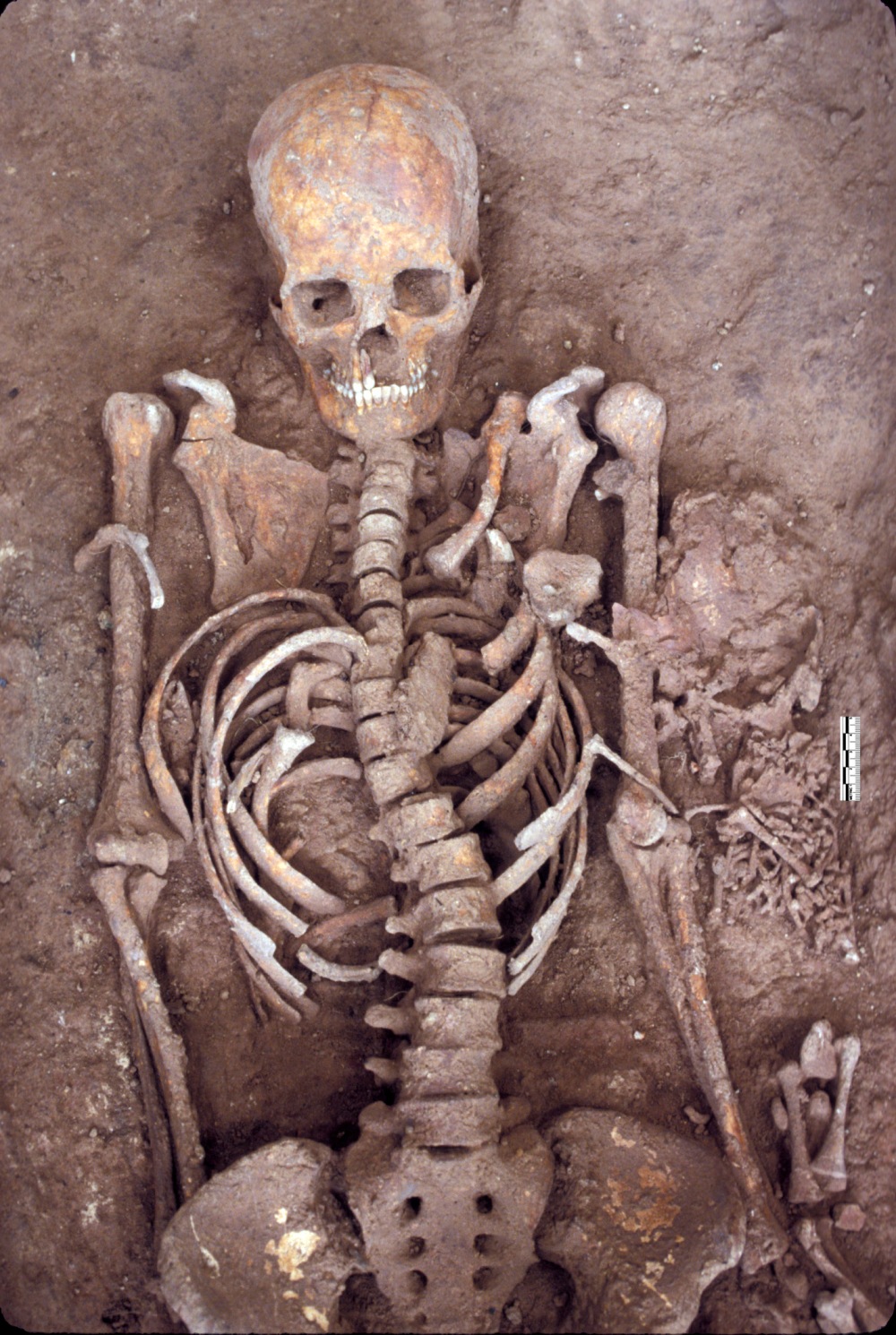
 

IMG_0879Probable mother and newborn death from the ‘Neolithic’ site of Khok Phanom Di, Southeast Thailand. This site had a infant death representation of over 40% of the cemetery sample.
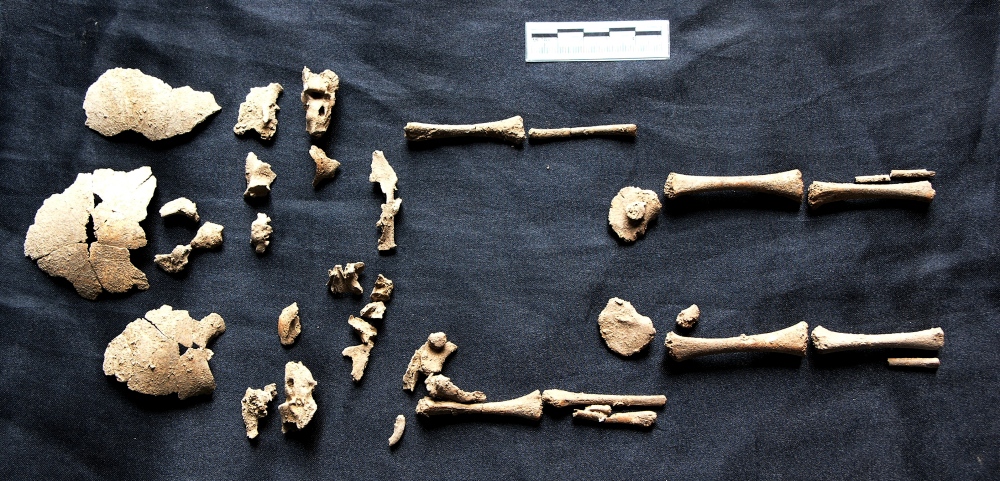
P1010598A ‘foetal’ (preterm) birth from the site of Ban Non Wat, Bronze Age, Northeast Thailand. If a live birth, this baby wouldn’t have lived for long after birth because of its immaturity.


One of these bioarchaeological papers that has interpreted the practice of infanticide is based on the Yewden Roman villa site at Hambleden in Buckinghamshire, England, which became somewhat of an archaeological “celebrity”, showcased by the BBC in 2010 (Mays and Eyers, 2011). The Hambleden site has been identified as a sophisticated “two corridor” Roman villa (Percival, 1990:531). It was first excavated in 1912 by Alfred Heneage Cocks, who reported the discovery of 103 burials, 97 of which were small infants, buried under courtyards or walls on the north side of the site (Cocks, 1921). The infant bones were recently rediscovered in a museum archive after almost a century.


Mays and Eyers (2011) have compared the perinatal age-at-death distribution pattern to other sites that have been interpreted to have an ‘infanticide’ type mortality profile. Other than that there is nothing in the mortuary or archaeological information to suggest that infanticide was probable. The burials at Hambleden are inconsistent with what is known about Roman infanticide practices. As discussed, exposure or drowning were the most usual methods employed, in which case we might expect to find infant bones as haphazard scatters in middens, remote areas of the landscape, or in wells or waterways as has been the case in Scandinavia (Wicker, 1998:215).


An understanding of the historical and ethnographic information on infanticide practices and burial, the historical or other contextual information associated with the site, infant burial practices, and mortality pattern data information is essential for assessing the likelihood for infanticide. It remains that the most parsimonious explanation for cemeteries with a peak of infant death around full-term are the result of a normal age-at-death pattern.


Why then is there a preoccupation or fascination with this idea of infanticide in the past? Were people in the past seen to be of lower moral status and therefore more likely to kill their babies? Could this continued focus on arguments of infanticide stem from an anthropological legacy of the 19th century of exploring ‘dark’, ‘primitive’ cultures, who were seen to lack intelligence and emotion?


Certainly more critical engagement with the literature on infanticide motives, practices, contextual burial information, and medical literature on the causes and timing of normal infant death offers a good approach to review evidence of infant death in the past. Even a mother with a mind ‘clouded’ by breastfeeding hormones and a ‘rosy’ view of childhood can look at the empirical evidence.

————————————————————-

*Smith and Kahila (1992) also include preterm and post-perinatal infants in their “perinate” age category. The preterm infants probably died a natural death, as is likely without modern medical intervention. In historical and modern accounts, infanticide often occurs soon after birth, so the individuals who died in the post-perinatal period were also less likely to be the victims of infanticide.


NOTE: Part of this blog post has been taken from our work in the following papers (all references cited can be found within these publications):

Gilmore, H. and S. E. Halcrow (2014). Interpretations of infanticide in the past. J. Thompson, M.P. Alfonso-Durruty and John Crandell (eds). Tracing Childhood: Bioarchaeological investigations of early lives in antiquity. Florida: University of Florida Press. 123-138.

Halcrow, S. E., N. Tayles and V. Livingstone (2008). “Infant death in prehistoric Southeast Asia” Asian Perspectives. 48 (2): 371-404.

See also Gowland et al. (2014) who offer an excellent re-evaluation of evidence for infanticide in Roman Britain.

Gowland, R. L., A. Chamberlain, & R. C. Redfern (2014). “On the brink of being: re-evaluating infanticide and infant burial in Roman Britain” Journal of Roman Archaeology Supplementary Series 96: 69-88.

My work with babies – today and from prehistory

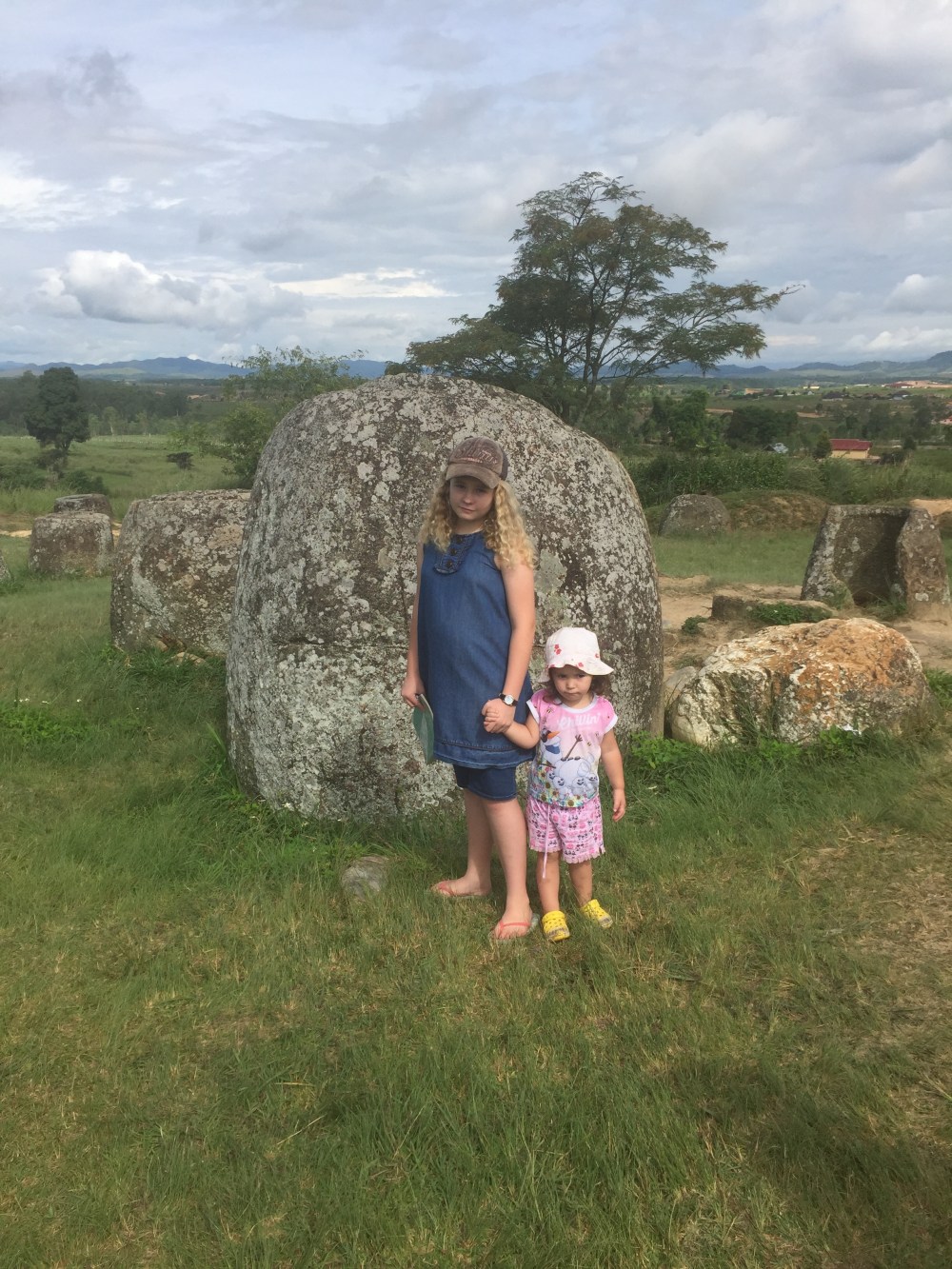
I often hear phrases such as: “I don’t know how you do it” and “your children must be very flexible with your job”. These well-meaning remarks often play on my anxiety as a mother and an academic who has the added challenge of having to undertake fieldwork and data collection overseas. I study human remains from archaeological sites and have worked in Thailand since 2002 and also in Laos, Cambodia and Chile. Because all the skeletal material from these projects are curated locally I do most of my fieldwork and data collection overseas.

I have just come back home to New Zealand after a stint in Northeast Thailand doing data collection from infants and children from an Iron Age site with my two children in tow, a 22-month-old and 10-year-old. Most of my research in bioarchaeology involves working with infants and children. Just as this age group are sensitive indicators of population health today, so too are they good indicators of cultural and health change in the past.

As a parent, I need to balance my professional work with childcare, which for me means packing up my two children for weeks or months on end and re-introducing them to the different languages, cultures, foods, smells, and exotic flora and fauna!

This really is a great opportunity for my children to experience other cultures and languages, but presents some rather major challenges for both me and them. This means leaving family and friends and sometimes missing school, and sporting and our own cultural events. For example, this year we spent Christmas in Thailand, which was of a non-event in a way.

Here are some photos from the early days of my fieldwork in Thailand at the archaeological site of Ban Non Wat, Non Sung Province, Northeast Thailand, which has an unusually long time span from early agricultural development through to the late metal ages (3,800-1,500BP).

fig.2asia2000report

Excavation of a ‘Bronze’ Age child from Ban Non Wat, 2003

fig.4asia2000report

Excavation of an ‘Iron’ Age adult burial, 2003


Over several excavation seasons at Ban Non Wat a total of about 700 individuals were excavated with about one-third of these aged less than 15 years. This site is very important for documenting the biological and demographic changes that were occurring in the region with the intensification of agricultural practices. The general bioarchaeological model of health change posits that with the introduction of agriculture there is a deterioration of health as a result of the increase of sedentism and population density, leading to more insanitary living conditions. However, my work and others from mainland Southeast Asia is challenging this Neolithic Transition model, which is mainly based on bioarchaeological investigation in North America and Europe. What we are finding is evidence for a very late and swift heath and demographic transition in the Iron Age. This is particularly exciting as it fits nicely with archaeological evidence at this time period for an intensification of wet rice agriculture, and changes in water management and socio-economic systems.

My recent data collection season was focused on the the site of Non Ban Jak, which is geographically very close to Ban Non Wat. This site is particularly important because it presents the best preserved collection of Iron Age burials in the region and has a very large proportion of infants represented (potentially half of the skeletal collection). At present we have over 145 individuals represented at this site, and have just secured significant funding for future excavation and analyses of the human and cultural material at this site.

The baby was petrified of the nanny for much of the time this season working on these remains, so my work plan had to be flexible. I worked solidly during her afternoon naps and the evenings, and when she was distracted by the 10 year-old. Sometimes she ‘helped’ washing stones beside me.

IMG_1763

The baby ‘helping’ me clean and reconstruct a late Iron Age burial of a newborn infant from the site of Non Ban Jak, Northeast Thailand. Photo by Paige Halcrow (10 years old).
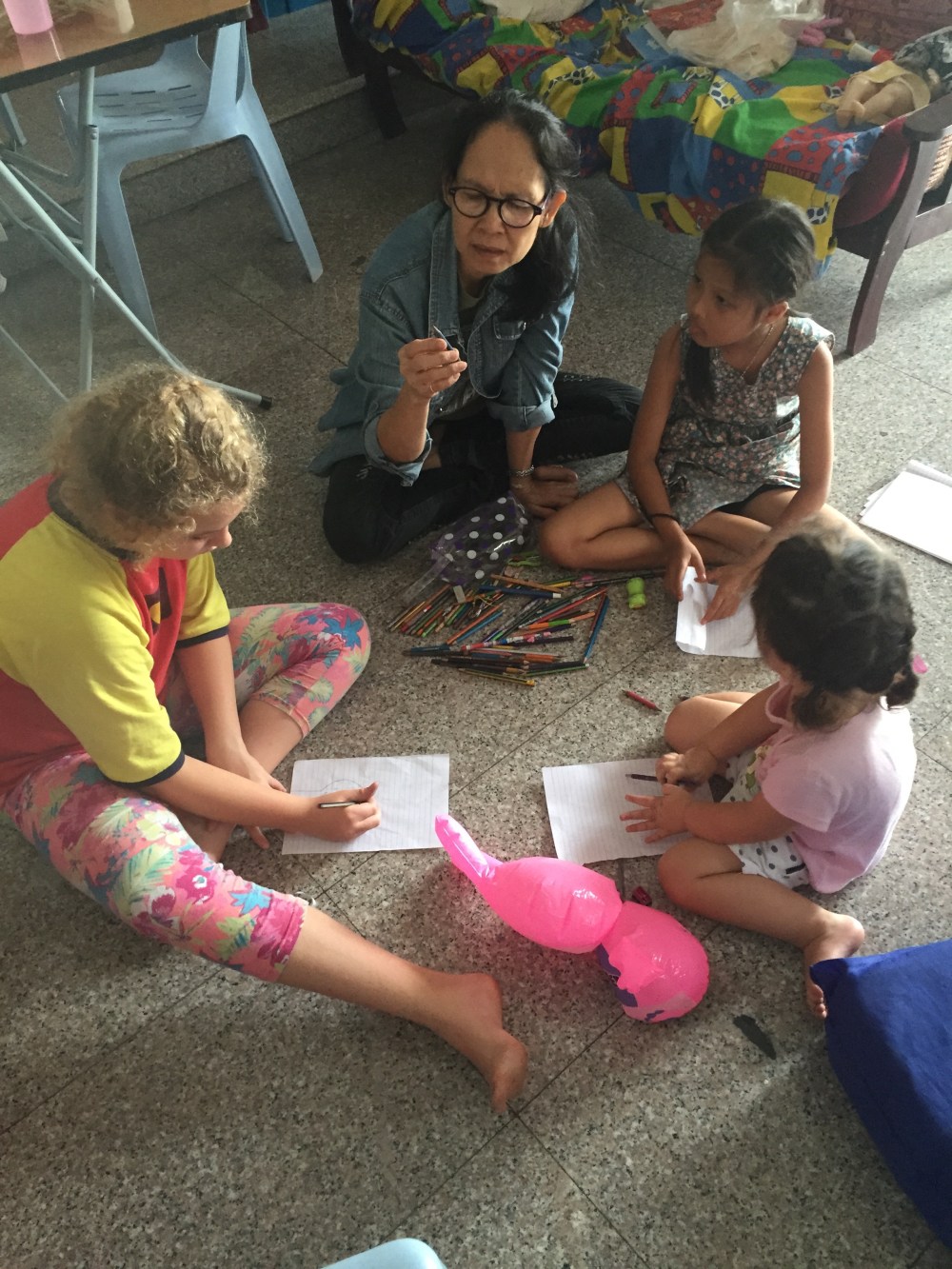
With the extension of research at this site, and further research opportunities planned in the region, my fieldwork with infants and children – both past and present – will continue into the future.

Over the years I have developed a general response for when people ask me how I do it. I reply: “It is challenging, but I wouldn’t change my family or my work for the world.”