This year’s conference theme is on the intersection of childhood, emotions, attachments, and social relationships to uncover how children in past societies experienced and influenced their worlds.
New research has uncovered a rare case of possible child abuse in ancient Mesopotamia, offering a poignant glimpse into the lived experiences of some of the region’s most vulnerable inhabitants.
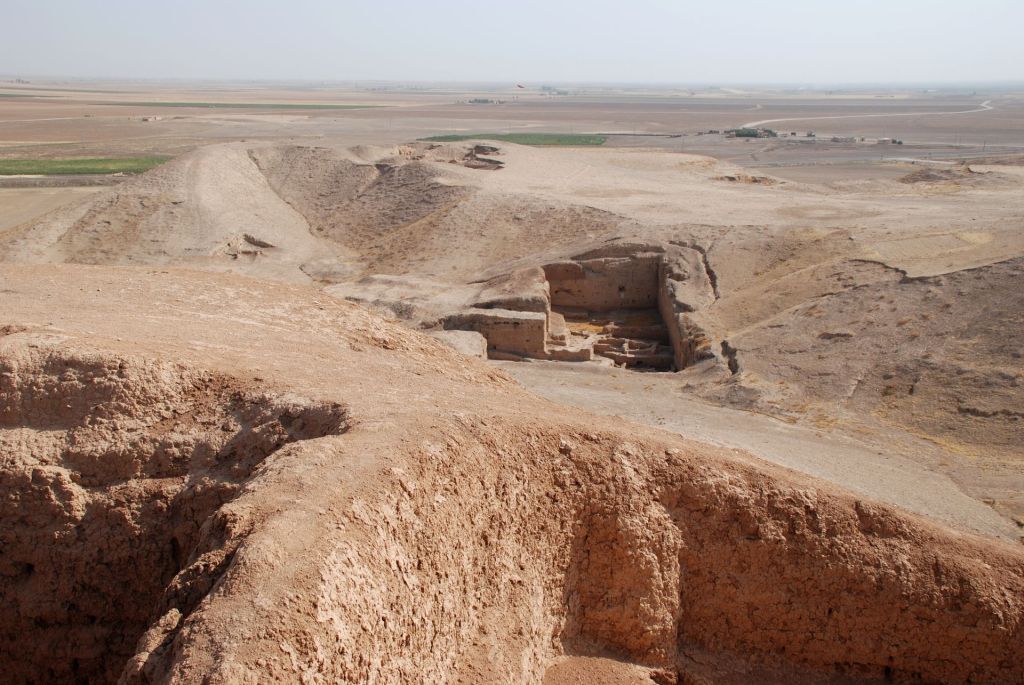
The study focuses on the skeletal remains of a 6–9‑month‑old infant from Tell Brak in northeastern Syria, dated to the Late Chalcolithic (4200–3900 BCE). Researchers identified a pattern of injuries that closely resembles what modern clinicians classify as non‑accidental trauma.
The infant’s remains show multiple rib fractures, particularly concentrated near the front of the rib cage. In addition, the skull exhibits evidence for haemorrhaging on the outer surfaces of the parietal bones. The researchers also noted unusual bone growth on the femur, which may indicate soft tissue injury to the leg.
Taken together, these injuries form a pattern that the authors argue is consistent with abuse. Estimates suggest that between 50% and 60% of fractures in infants may be linked to abuse. Rib fractures in infants, in particular, are widely regarded as one of the most diagnostic indicators of non‑accidental injury. Importantly, the researchers conducted a careful differential diagnosis, systematically considering alternative explanations for the trauma and pathology.
Despite the scale of child abuse globally—estimated by the United Nations to affect around one billion children today—clear archaeological evidence for such behaviour remains exceptionally rare. This absence may reflect several factors: poor preservation of infant bones, the difficulty of distinguishing accidental from intentional injury in ancient remains, and the fact that many forms of abuse leave no visible skeletal trace. For Mesopotamia specifically, both bioarchaeological and textual evidence have generally suggested that the abuse of children was not commonplace. The authors of the study propose that the infant’s injuries may be linked to a period of social instability. Tell Brak at the time was undergoing significant changes associated with early urbanisation, including population growth and possible episodes of mass mortality. Such upheavals can place strain on communities and households, potentially increasing the risk of violence. However, the reason for the suffering of this child will never fully be known.