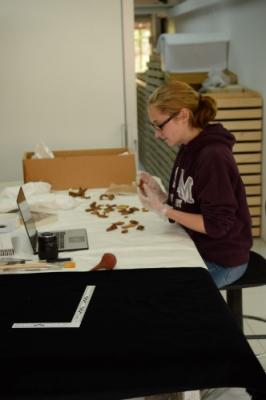
Motherhood and Feminism are not Dirty Words: Reimagining Archaeological Practice

For International Women’s Day, I wanted to reflect on some of my old and new writings on the intersection of motherhood and archaeology.

Gendered and intersectional inequities shape access, safety, and participation within field‑based research in archaeology and biological anthropology. Compounding these issues, mothers* routinely confront discrimination and structural barriers associated with pregnancy, breastfeeding, childcare, and norms embedded in fieldwork culture. I have written on some of these issues here on challenges of research and fieldwork with children, attending conferences, and sexism in academic archaeology.

Systemic barriers place disproportionate pressure on mothers compared with fathers, contributing to reduced working hours and widening gender pay gaps (Kleven et al. 2018). The “leaky pipeline” in STEM—arguably a burst main—is strongly linked to caregiving responsibilities; evidence suggests more male STEM leaders have children compared with female leaders (McCabe et al. 2024). Although biological anthropology (including bioarchaeology) is numerically dominated by women, inequities persist in leadership, conference participation, and grant funding (Casad et al., 2022; Turner et al. 2018). Fieldwork remains a particularly acute site of inequality, with persistent reports of discrimination, harassment, and complex logistics for pregnancy, breastfeeding, and childcare (Camp, 2019; Hodgkins & Thompson 2022).

Archaeology’s professional identity is closely tied to fieldwork. Extended time away from home, the physical demands of excavation, and colonial “frontier” narratives have long shaped a disciplinary culture associated with masculine ideals (Tomášková 2007; Moser 2007). In 2013, the Society for American Archaeology established a Task Force on Gender Disparities in Archaeological Grant Submissions; the 2017 report found that nearly all women cited conflicts between fieldwork and parenting that negatively affected their grant submissions (Goldstein et al. 2018). While geography has more thoroughly addressed parenthood and fieldwork (Hope et al. 2019; Jenkins 2020; Price & Hall 2024), archaeology is only recently building momentum through personal accounts, op‑eds, and blog posts (e.g., Halcrow 2017; Hodgkins & Palmer; Norton 2025; Hoag & Von Jena 2025). This expanding body of narrative scholarship coincides with a stagnation in formal gender‑equity research in archaeology (Tomášková 2007; Fladd et al. 2026; Moen 2017; Wylie 2007). 

Centring Mothers in Feminism

O’Reilly (2021) argues that despite the diversification of feminist theory—such as queer feminism, third‑wave feminism, womanism, ecofeminism—academic feminism has not sufficiently centred the specific needs of mothers. This omission has contributed to the conflation of mothering and motherhood; to misreadings that equate matricentric feminism with gender essentialism or maternalism; and to the rise of postmaternal thinking and “radical forgetting,” whereby earlier maternal‑oriented activism is dismissed in favour of a degendered feminism (hooks 1984; Stephens 2016; O’Reilly 2021). Based on decades of research and conversations with mothers,  O’Reilly (2021) contends that mothering is central to many women’s identities and must be integrated into gendered models of society.

Accordingly, matricentric feminism “puts motherhood at its centre,” treating mothers, mothering, and motherhood as topics deserving sustained inquiry and as a basis for research and activism that contest oppressive institutions and envision empowering maternal identities and practices (O’Reilly 2021).

I have started to use personal narrative as disciplinary critique within a matricentric feminist lens. Caring responsibilities generate distinct vulnerabilities but also unique insights and forms of relational engagement in the field. Here are some reflections and recommendations to reconfigure archaeological practice so that it meaningfully includes and empowers mothers and in particular single parents:

Over 20 years, I have encountered the good, the bad, and the ugly. I have faced blatant discrimination—including being removed from a field project due to pregnancy—and I have missed opportunities because of assumptions about motherhood. Yet I have also experienced meaningful support and inclusion. The following reflections synthesise lessons learned: 

  • Find a mentor who is inclusive, supportive, and able to communicate openly about your needs. 
  • Motherhood can enrich scholarship. Parenting has deepened my perspectives on embodiment, ethics, and the social worlds of my research. 
  • Children expand field relations. My children often helped build rapport with communities, facilitating trust and dialogue. 
  • Collaborate with other parents. See Lozano & Sánchez (2023) for an example of practical strategies for conducting fieldwork as scientist mothers. 
  • Advocate for equity in fieldwork opportunities within institutions and professional bodies. 
  • Share your story when possible; narrative accounts help normalise motherhood in the field and push disciplinary boundaries. 
  • Expand the evidence base. More systematic qualitative and quantitative studies are needed to understand and address inequities. 

The COVID period, combined with reflections on well‑being and caregiving—including supporting an adult child with disabilities—prompted me to pivot toward collections‑based research, working with human remains already within my department. This shift has produced new grants and collaborations. This trajectory aligns with my ethical commitments and reframes success around work that makes a difference—challenging assumptions about what counts as “fieldwork” and broadening bioarchaeology’s remit to include historically contextualised human remains in collections. 

From Personal Narrative to Change: What Societies and Institutions Can Do

Archaeology presents distinctive barriers for parents, and in particular, single parents, because career progression is closely tied to excavation seasons, mobility, and extended time away from home. Academic societies are uniquely positioned to lead practical and cultural change. The following actions outline feasible reforms: 

1) Reform field school and excavation expectations
  • Accredit alternative training pathways (lab, museum, digital archaeology, community archaeology).
  • Recognise local/short‑duration excavations as equivalent experience.
  • Encourage hybrid models (e.g., remote recording). 
2) Fund childcare and caregiver travel for field seasons
  • Introduce seasonal childcare bursaries, not just conference childcare.
  • Create grants for caregiver travel and family‑suitable accommodation. Even small funds can make participation viable, especially where field pay is low or unpaid. 
3) Publish family-inclusive excavation guidelines
  • Standards for family‑safe accommodation, sanitation, and security.
  • Predictable scheduling where possible.
  • Risk assessments that include dependents.
  • Guidance for breastfeeding, pumping, and infant care in field settings. Comparable inclusion toolkits exist in other field sciences; archaeology needs discipline‑wide standards. 
4) Build mentorship networks for archaeologist parents
  • Cross‑career mentorship programmes.
  • Panels with excavation directors who are caregivers.
  • Practical guides (e.g., “How I ran a dig with kids”). 
5) Support local and community archaeology pathways
  • Fund micro‑grants for local projects and distributed collaborations that reduce mobility burdens.
6) Advocate for systemic funding changes
  • Lobby for dependent‑care costs to be eligible grant expenses.
  • Parental‑leave extensions aligned with excavation seasons.
  • Paid field school placements to reduce inequity. 

*Following O’Reilly (2021), the term ‘mothers” refers here to those who are doing the mothering and ‘motherwork’, as defined by Sara Ruddick (1989) as maternal practice, and can be undertaken by people other than biological mothers.
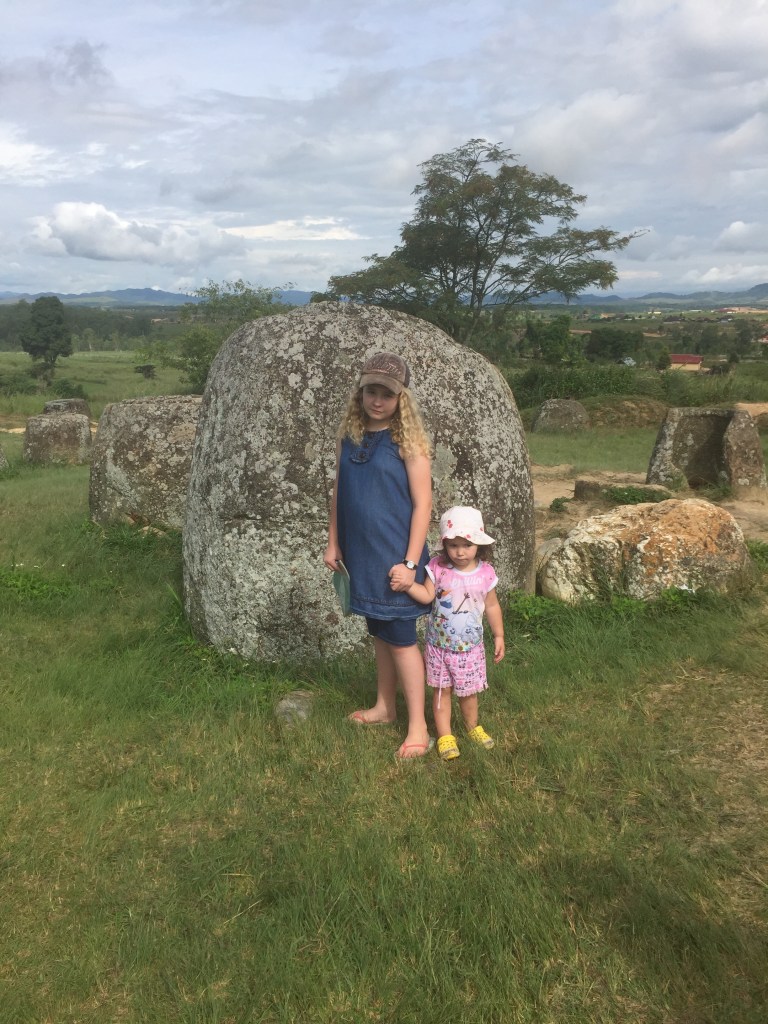
Two children standing next to a large megalith in a grassy area with trees and mountains in the background.

Visit to the Plain of Jars, Laos PDR.
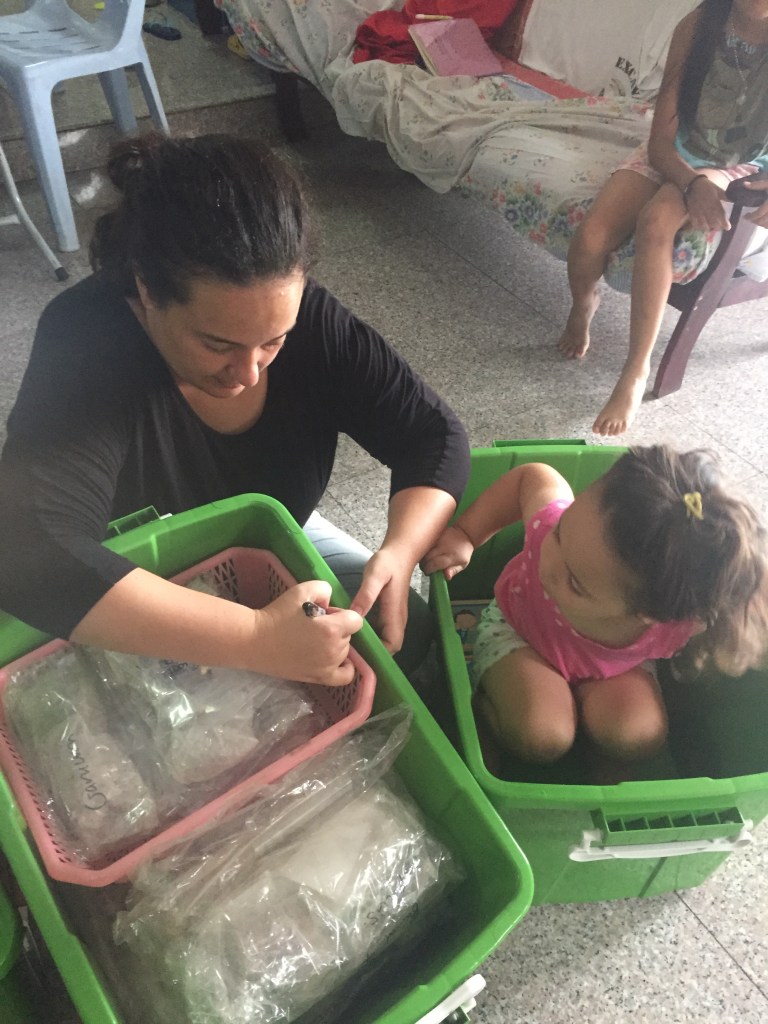
A woman in a black shirt organizes items in green storage bins while a young girl in a pink shirt sits in one of the bins, watching intently.

Packing human burials away with some ‘help’
Reflections on the Ethics of Working with Infants from Museum Contexts

I have been reflecting on the work that I have been doing, particularly within museum contexts. There has been a recent increase in interest in the study of the ethics of bioarchaeological practice; however, there has been considerably less in the context of anatomical collections. This is despite the fact that the individuals collected are often from marginalised sectors of the community, e.g., institutionalised individuals.

Within the anatomical museum context, there can be a lack of clear provenance information and loss of relationship between human remains held in collections and acquisition records. However, I feel that to move forward in ethical ways, we need to know who these people were and where they came from. 

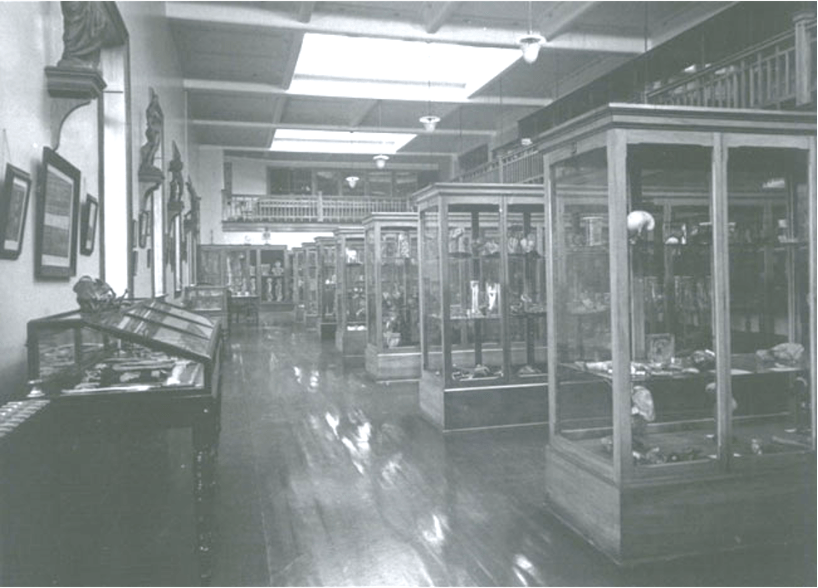
I have, with students and colleagues from Takarangi research, been focused on an analysis of the acquisition records and the skeletal and preserved human remains from the W. D. Trotter Anatomy Museum founded in 1876, which represents the largest anatomical museum in the southern hemisphere. Despite the historical nature of the collection, there is a dearth of research on the people themselves and very little research on the historical archives of acquisition practices.

The Anatomy Museum as it was in 1927
Otago Bulletin

Some of our recent work has looked at the babies represented in the skeletal collections, of which there is a loss of attribution of the acquisition records to the human remains themselves. Through our analysis of the skeletal remains of the infants, we found that there was a number of preterm babies and those with developmental defects. The age-at-death and the pathology reflect the archival records of age and cause of death. The loss of attribution between the records of acquisition and the babies’ remains, along with the way in which a lot of these remains are curated by bone type rather than as individuals, also points to the anatomisation of the body, effectively stripping the individual identity of these babies. We found that of the babies for whom we had names and could find birth and/or death records, many were born to mothers who were unwed and/or from low socio-economic backgrounds. These babies were often born (and died) in mother-baby homes for the unwed (e.g., Batchelor’s Hospital).

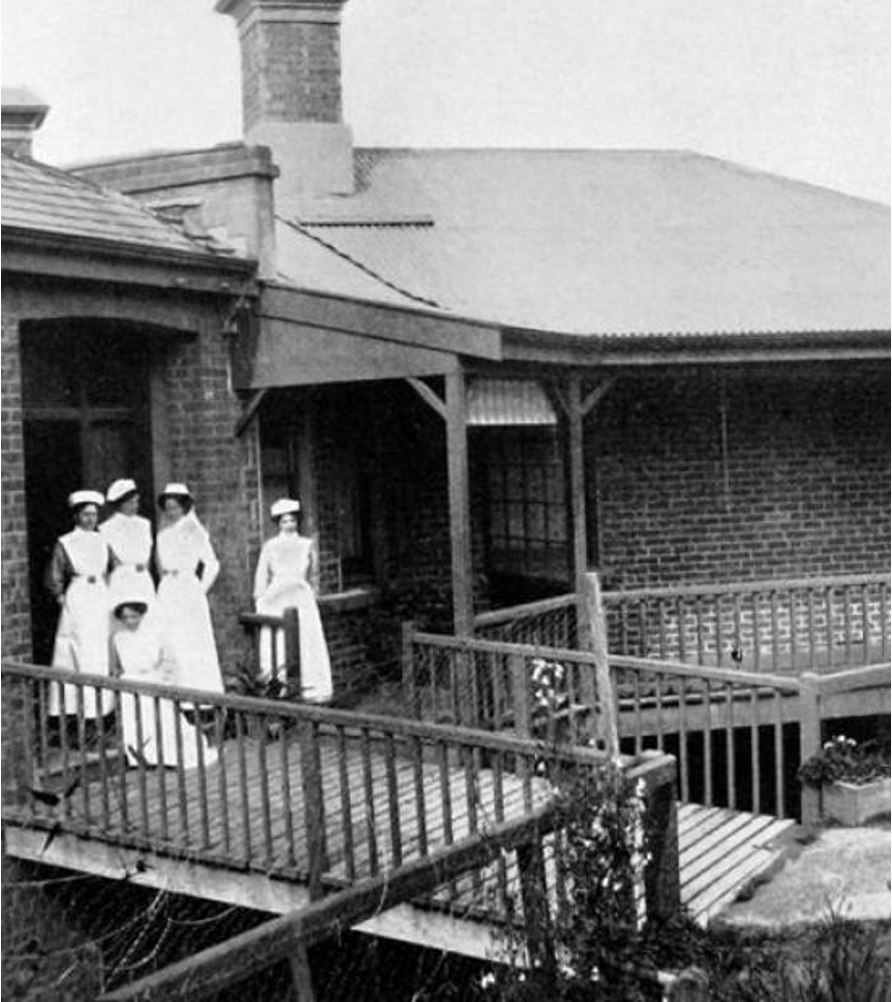
The front view of the Forth Street Maternity Hospital (later called Batchelor’s Hospital) in Dunedin. Otago Witness, 18.6.1913

At times, I have questioned whether this research risks repeating the very harm it seeks to address. Some have suggested that analysing these remains may re-objectify the infants, turning them once again into subjects of study. There has also been some hesitation within the university about pursuing this work.

However, I remain of the opinion that silence is not more ethical than engagement. To be transparent about what our collections contain, we must be willing to look closely—however uncomfortable that may be. For me, this work is about re-establishing connection: about naming, contextualising, and acknowledging. It is an attempt, however small, to restore fragments of identity and to confront the histories that allowed these infants to become anonymous specimens in the first place.

This research does not resolve the ethical tensions inherent in working with human remains. But it is, I hope, a step toward greater honesty, accountability, and care.

SSCIP Annual Conference – University of Otago, New Zealand 2021 – Registration and conference schedule

A reminder that the 13th Annual SSCIP Conference is being held via Zoom from the 25th to 28th of October (British Summer Time). It is hosted and organised by Associate Professor Siân Halcrow of the University of Otago, New Zealand, and has been scheduled into eight short sessions over four days to accommodate the different time zones of participants.

Keynote addresses will be made by Professor Maureen Carroll of the University of York, Associate Professor Alison Behie of Australian National University, Professor Holly Dunsworth of the University of Rhode Island, and Professor Sarah Knott of Indiana University Bloomington.

If you are interested in attending any of the eight sessions you can register for free using the following link: https://www.eventbrite.com/e/society-for-the-study-of-childhood-in-the-past-conference-tickets-179748280947. After you register you will be sent a confirmation email. Zoom details for the event can be found by clicking the “View the event” button in this email.

Information regarding the conference schedule and abstracts for all the talks can be found at the following link: https://docs.google.com/document/d/1TqiAhXRo9NEiHPqTD1_OxOgh-wxf4dt0_jcIHQaWG2Y/edit?usp=sharing

Session times:

Day One / 25th October 2021 – Session One: 8am – 10am BST

Day One / 25th October 2021 – Session Two: 9pm – 10pm BST

Day Two / 26th October 2021 – Session One: 8am – 10am BST

Day Two / 26th October 2021 – Session Two: 9pm – 10pm BST

Day Three / 27th October 2021 – Session One:  8am – 10am BST

Day Three / 27th October 2021 – Session Two: 9pm – 11pm BST

Day Four / 28th October 2021, Session One: 8am – 10am BST

Day Four / 28th October 2021 – Session Two: 9pm – 11pm BST

Childhood and the development of urbanisation

The collection of papers in this special issue of Childhood in the Past edited by Francesca Fulminante showcase research on infancy and childhood with sophisticated theoretical and methodological approaches to this topic. This issue represents a significant contribution to understanding the role of children and childhood during the transition to urbanization in Europe through the lens of multiple approaches, including bioarchaeological, archaeological, cognitive developmental (palaeoanthropological), sociological and historical research on infants and children, using a variety of new analytical techniques. This issue moves chronologically from the consideration of cognitive development during prehistory to the nineteenth-century urban environment. Check it out!

Moulded terracotta, beige clay with inclusions, H 9,3 cm, W 6 cm, Veii, sanctuary of Campetti 1, Rome, Museo Nazionale etrusco di Villa Giulia, inv. n. C/168. 3rd–2nd c. BCE. See Pedrucci 2021, 236, Veii 60. Courtesy of the Museum. © Mauro Benedetti.

Uncovering childhood in museums

Personal Reflections By Amanda Hoogestraat, Twitter @AmehAnthro

On my recent tour of museums in the UK, I saw small reminders of children in the exhibits featuring past societies. Children were obviously a part of every community, but are underrepresented in museum collections. There is a museum devoted to childhood in both London and Edinburgh, but perhaps other museums should consider adding more children’s items to their collections for a more balanced representation of life in the communities it displays.

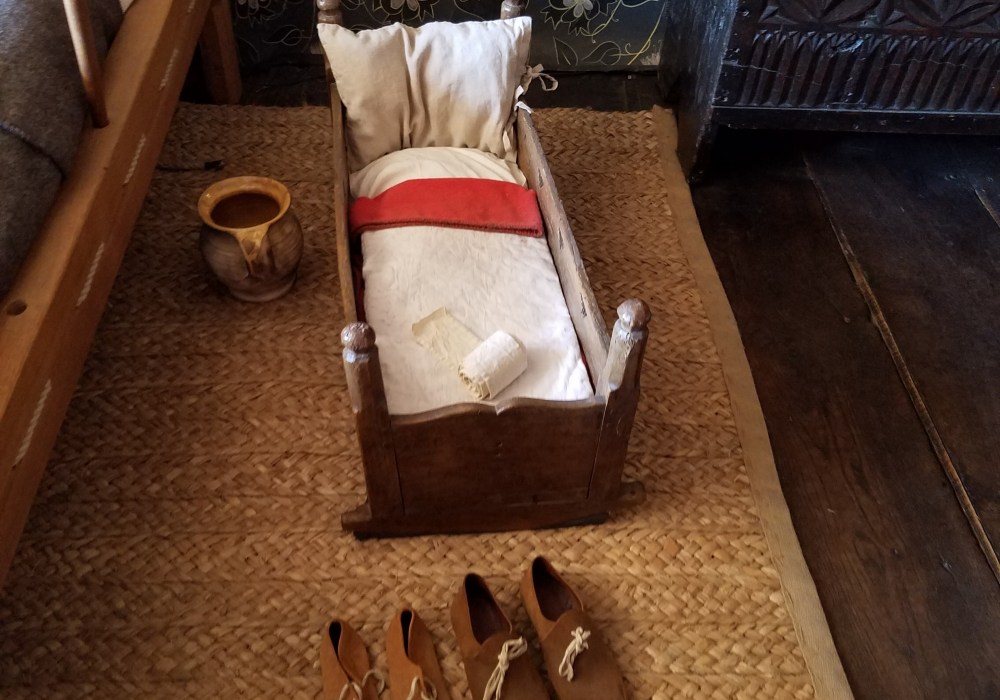
For many of the museums that had childhood material culture, shoes or cradles were the only items on view.

Four out of the 55 museums that I visited had children’s skeletal remains on display; usually infants and mostly with an adult skeletons nearby. Rarely did I see older children.

However, it was the toys that interested me the most; to see how the cherished play items were very similar to those of today.

I also observed how visiting children interacted with the exhibits, especially at museums not designed specifically for them. Some of these museums had created play areas pertaining to a display nearby.

Surprisingly, the British Motor Museum was a place that had children’s programs and school tours.

I think everyone enjoys seeing items from a childhood different from our own lives or from our own childhoods. It reminds us that across time and location, children were an integral part of the society.

Stressed-out mums and demanding children: understanding the maternal – infant interface at the beginnings of agriculture

Modern society is rooted in a dependency on agriculture. Although this is often thought to be a positive human development, the transition to agriculture-based societies had substantial negative impacts on human health, many of which continue to affect millions of people today. The bulk of these negative impacts are borne by the most vulnerable in society – mothers and children.

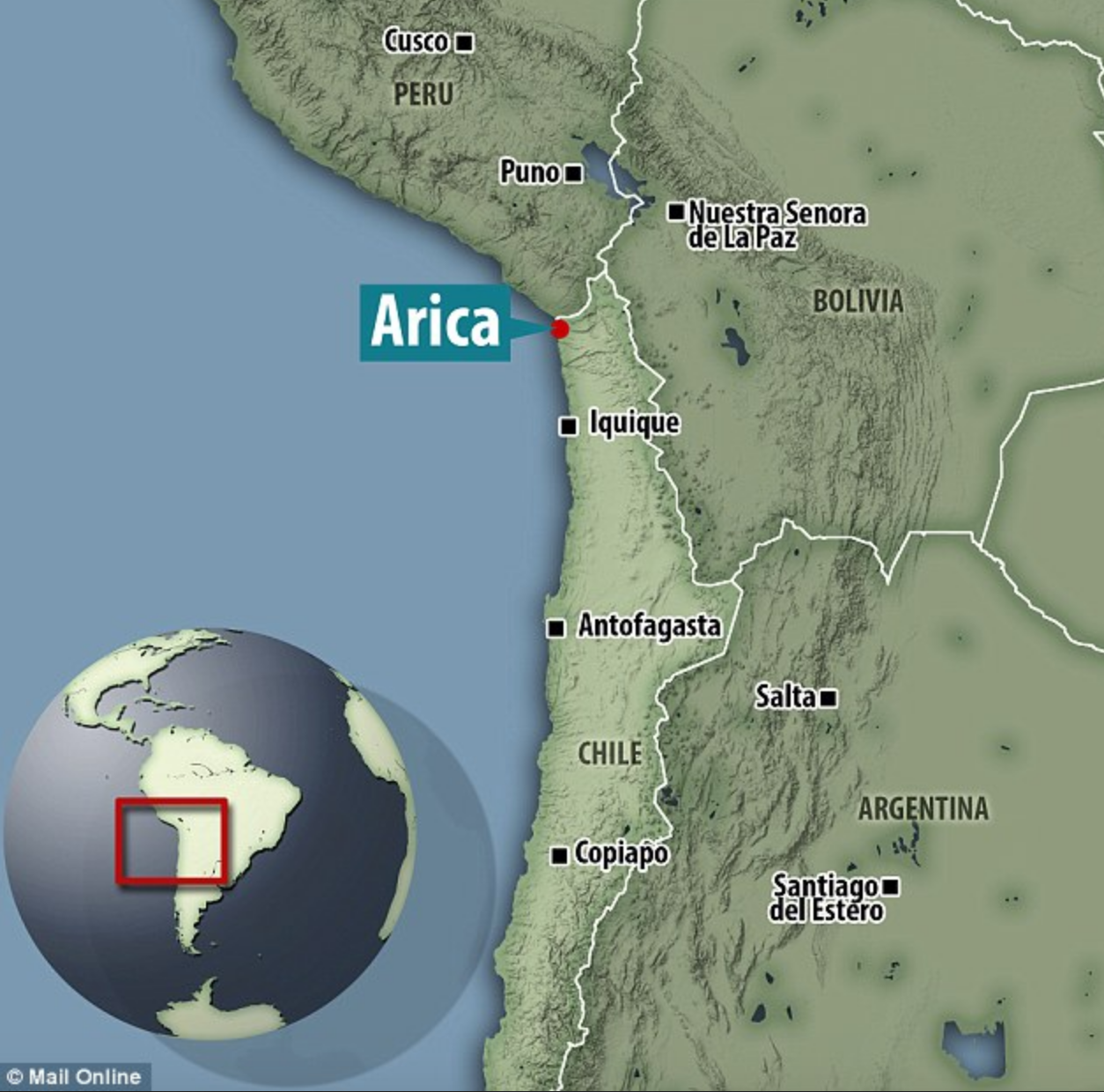
Recent research in the Arica region in the Atacama Desert in Northern Chile is giving us new insight into how the roots of this transition to agriculture in prehistory affected human society, in particular mothers and their infants. Our research collaboration between the University of Otago in New Zealand, the University of Tarapacá Chile, and Durham University in England is using a multidisciplinary approach to reveal a picture of stresses associated with food shortages, and their possible connections to premature death and vitamin deficiencies in newborn babies.

inca-919101_1920

The Atacama Desert is well-known for the earliest evidence in the world for deliberate mummification of the dead, predating Egyptian mummies by more than two millennia. The intricate funerary rituals associated with the pre-agricultural Chinchorro people of this area were largely focused on infants and children. This has led some to hypothesise that it was a social response to high rates of foetal, infant and maternal death in these populations. Historically, archaeological research in the Atacama has focused on these pre-agricultural mummies, but recent research has highlighted periods of increasing infant mortality later in prehistory – during the transition to agriculture. The ultimate causes of this increase in stress, however, have eluded archaeologists.

Screen Shot 2018-01-28 at 7.17.25 PM.png

The project took a two-pronged approach to this problem, studying changes to diet using chemical signatures in bones and teeth, and assessing their health impacts by looking for signs of pathology on the skeletons of early agricultural populations. Published recently in the International Journal of Paleopathology, and covered here, an Early Formative Period site just transitioning to agriculture (3,600-3,200 years before present) showed that all the infants have evidence of scurvy (nutritional vitamin C deficiency). Interestingly, so did an adult female found buried with her probable unborn child. First author Anne Marie Snoddy says “In addition to contributing to knowledge of the interplay between environment, diet, and health in the Ancient Atacama, this paper provides the first direct evidence of potential maternal-foetal transference of a nutritional deficiency in an archaeological sample”.

This study also used new methods for analysing diet and stress using the chemistry of bones and teeth, these also reveal a picture of early-life stress recently published in the American Journal of Physical Anthropology and covered by Forbes.  “The preservation of mummies in the Atacama gives us an unprecedented opportunity to use tooth chemistry to look at prehistoric infant experience. We have chemical evidence of stress from tissues which form even before the infant is born, showing how the mother’s health is impacting her baby” says author Charlotte King. This work contributes to an understanding of the sensitive relationship between the health of the mother and infant in the past, including the maternal-infant transference of stress signals and micronutrient deficiencies.


Halcrow Anne Marie Snoddy Custom

Anne Marie Snoddy doing her palaeopathological analyses in the Museo Universidad de Tarapacá San Miguel de Azapa, Arica, Chile.


The research is giving new insight into human adaptation to one of the harshest environments in the world. The Atacama Desert experiences less than 2 mm per year of rainfall, making agricultural resources very vulnerable. However, the marine environment is remarkably rich, owing to the upwelling of the cold Humboldt ocean current, resulting in an abundance of marine mammals and fish. Chemical analysis is showing that the people of the desert buffered themselves against the vulnerability of their agricultural resources by continued reliance on these marine foods. Even so, periodic food shortages from El-Niño events in the area were likely, and the skeletal evidence for vitamin C deficiency is interpreted as being related to these events.

A version of this story was originally published here.


Why were so many babies murdered in the past?

Hundreds of babies of prostitutes getting thrown down a water well in ancient Roman times in Israel; whole cemeteries of unwanted ‘brothel babies’ in Roman period Britain; thousands of Carthaginian babies sacrificed; and purported sacrificial Mayan child victims with ‘supernatural’ obsidian stones. These are just some of the kinds of sensational research stories on infant burials from archaeological collections that are frequently reported. The preoccupation of archaeological research with the subject of infant murder and sacrifice may conjure up images of babies being uncared for in the past, and that infanticide was a common or even accepted practice. However, as with any research, it is important to ask how we can check the validity of these interpretations. Using multi-faceted anthropological studies, we can get closer to disentangling the truth on infant murder in the past.

In legal terms “infanticide” refers to the deliberate act of killing any infant under the age of 12 months. The act of killing unwanted babies is often carried out at the time of birth (the neonatal period), so the term “infanticide” is often used as a synonym for “neonaticide”. It has been stated that babies have been killed in many cultures and in all times in history. Anthropologist Laila Williamson (1978: 61) has gone as far to argue that:

“Infanticide has been practiced on every continent and by people on every level of cultural complexity, from hunter gatherers to high civilizations, including our own ancestors. Rather than being an exception, then, it has been the rule.”


Screen Shot 2017-09-21 at 11.03.57 AM

Figure 1. Anti-infanticide tract depiction of infanticide by drowning, Qing Dynasty, circa 1800.

Non-human primates, including our nearest living relatives, the chimpanzee, have been observed carrying out infanticide. In chimpanzees, this is typically undertaken by an unrelated adult male, the reasoning often hypothesised to be a type of sexual selection to confer reproductive advantage to the male. More recently female-led infanticide has been observed in chimpanzees, the perpetrators also being unrelated to the infants.

The motives for human infanticide are varied. Unique to humans is gender-based infanticide, and it is a parent who often carries out the infant killing. A striking example of gender-based practice is modern female feticide and infanticide, with around half a million female fetuses purposely aborted in India each year alone, as well as the thousands of female babies that are killed soon after birth. Other causative factors for human infanticide relate to poverty, social pressure, and the birth of infants with severe physical deformities. The interplay of poverty and domestic violence towards mothers are argued to have played an integral role in the famous ethnographic research by Scheper-Hughes in which she argued selective neglect or “passive infanticide” occurred in shantytown Brazil.

The actual acts of infanticide in humans are usually non-violent or ‘passive’, including exposure and smothering. The most common method for killing babies in non-Christian societies was drowning. For example, historical texts from the Qing Dynasty often use the term ni nü (to drown girls). There is also documentary evidence for drowning in the Roman Empire, classical Greece, and in Viking Scandinavia. The practice of infanticide is also often carried out covertly and without normative burial ritual.

Although there is documentary evidence for the practice of infanticide in many places and times in the world, most cultures actually condemn its practice, and some would argue that instances of infanticide are generally isolated.

Why, then, is there such a research focus on the practice of infanticide in our past? Do these simply appeal to researchers for publishing a high impact publication, or to news agencies publishing sensational click-bait stories that tug at our heartstrings?

Screen Shot 2017-09-21 at 11.16.47 AM

Figure 2. Early 19th century engraving by an artist associated with William Carey, purporting to show infanticide by drowning in the Ganges River.

Although anthropologists are generally very careful to recognise their own cultural biases in their research, there is undoubtedly a hangover from the 19th century interest of “others” and “dark” practices. Or do anthropologists in recognising their subjective biases on the importance placed on children in Western society today overcompensate and inadvertently dismiss the value placed on infants in the past?

While infanticide did happen in the past, whole cemeteries devoted to murdered infants seem fictitious when we consider a more contextually nuanced approach. A case in point of an unsupported interpretation of infanticide comes from the Yewden Roman villa site at Hambleden in Buckinghamshire, England. The main argument for infanticide at this site (and other purported infanticide sites) is a high peak of deaths at around the time of birth. While the site was reported as a “mass grave,” the 97 infants were buried over a period of 300 years. Of the 35 infants that have been analysed these range in age from 32-43 gestational weeks (around 7 months gestation to into the newborn period). A researcher from the project has been reported in media arguing that this was a burial site connected with a brothel and a curator of the local county museum has been reported saying it was some type of birthing centre, perhaps connected to a shrine for a mother goddess.

There is no contextual evidence that links this burial site to a brothel, and 97 infant deaths over a few hundred years is not an excessively high mortality rate. The assumption that a high rate of infant mortality around the time of birth equals infanticide is problematic as there are many archaeological samples that have high mortality peaks around the world, including sites in North America, Serbia, Greece, Egypt and Southeast Asia. Historical medical mortality records also show a high peak of death occurring around birth and it is acknowledged as the most critical time in a baby’s life. The birth of pre-term babies (younger than 37 weeks gestation) at this site would have also likely had impacts on their chance of survival. A study by Mays and colleagues of an infant from the site with cuts to the femur (thigh) bone that occurred around the time of death suggests obstetric problems causing death. The cuts are consistent with the practice of embryotomy, which were undertaken in cases of fetal death during obstructed labour.

Screen Shot 2017-09-21 at 11.23.59 AMFigure 3: A newborn infant from Hambleden site (Credit: BBC)

The infant graves at the site adhere to Roman burial custom, where infants are normally placed in and around buildings and villa yards and afforded a simple burial. These burials are inconsistent with those of individuals who are killed in instances of infanticide from exposure or drowning, as this is often done covertly and without this type of burial ritual. Ancient DNA evidence from this site also provides no evidence for a sex bias in infant death.

Unwanted infants who were not cared for seems to be the default assumption in many archaeological interpretations in the past. Indeed some were unwanted, as some are also unwanted today. However, using sources of information drawn from the mortuary record, modern and archaeological mortality data, maternal health and obstetric factors, and historical information on the practice of infanticide and care for the young, we can turn our attention to engage with multiple facets of infants lives, albeit cut short.

Snap-shots of research: Personhood of perinates in the past

This month we are featuring Dr Tracy Betsinger who is an Associate Professor from SUNY Oneonta. Prior to joining SUNY Oneonta, Dr. Betsinger held a post-doctoral research position with the Global History of Health Project at Ohio State University.

1170854_10100934448983597_643943699_n

Tracy working on a perinate from the post-medieval Drawsko collection, Poland (while pregnant with a fetal skeleton shirt on!).

Tell me a little bit about your work:

I’m a bioarchaeologist interested in patterns of health (in general) and infectious disease, particularly treponemal disease, the effects of cultural factors such as status and urbanization on health, and the relationship between mortuary patterning/treatment and identity/personhood, especially among perinates. I work on materials from a variety of contexts, including prehistoric populations from eastern Tennessee and medieval and post-medieval populations from Poland.

How did you get into your field and why?

My interest in perinatal mortuary patterning was a fortuitous happenstance. While working with a colleague, Dr. Amy Scott, on post-medieval Polish materials, we noted the fairly large number of perinatal remains, many of which were well preserved (several with the tympanic rings in place!). We were examining other mortuary patterns at the time, when we decided to investigate the perinatal mortuary pattern to determine whether it matched older subadults or was distinct in some way. We also explored what this might mean in terms of their personhood and identity. The more I began to research perinates, perinatal mortuary patterns, and ontology, the more intrigued I became. I shared my research with a cultural anthropologist in my department (Dr. Sallie Han) whose research is focused on pregnancy and we found much common ground! The result of this was a four-fields anthropology of fetuses, initially an American Anthropological Association session and now a soon-to-be in-press edited volume.

What is on the future horizon for your research?

More recently, I have begun exploring perinatal mortuary treatment with the prehistoric populations from Tennessee. This work is just beginning, but I’m hoping to explore perinatal mortuary patterns/personhood temporally and geographically in the region and dovetail that information about what we know is going on health-wise in East Tennessee. My colleagues (Dr. Michaelyn Harle, Dr. Maria O. Smith) and I have only completed some general assessments of perinates, but so far, there seems to be a consistency in their treatment with older subadults and across time and space. We are planning more nuanced analyses of their mortuary treatment and are hoping to analyze remains for bacterial bioerosion with the hopes of identifying stillbirths from live births.

Take a sneak peek at our new resource on the “Bioarchaeology of Childhood” coming soon to Oxford Bibliographies in Childhood Studies

We have a forthcoming large annotated bibliography on the Bioarchaeology of Childhood coming soon to Oxford Bibliographies online. Take a sneak peek here. This will be useful to all bioarchaeology and human osteoarchaeology students, and academics for research and teaching. Please contact me here to request a personal copy.

Note that this is now published online

Halcrow, Siân E.; Ward, Stacey M. “Bioarchaeology of Childhood.” In Oxford Bibliographies in Childhood Studies. Ed. Heather Montgomery. New York: Oxford University Press, forthcoming.

fig.3asia2000report