Motherhood and Feminism are not Dirty Words: Reimagining Archaeological Practice

For International Women’s Day, I wanted to reflect on some of my old and new writings on the intersection of motherhood and archaeology.

Gendered and intersectional inequities shape access, safety, and participation within field‑based research in archaeology and biological anthropology. Compounding these issues, mothers* routinely confront discrimination and structural barriers associated with pregnancy, breastfeeding, childcare, and norms embedded in fieldwork culture. I have written on some of these issues here on challenges of research and fieldwork with children, attending conferences, and sexism in academic archaeology.

Systemic barriers place disproportionate pressure on mothers compared with fathers, contributing to reduced working hours and widening gender pay gaps (Kleven et al. 2018). The “leaky pipeline” in STEM—arguably a burst main—is strongly linked to caregiving responsibilities; evidence suggests more male STEM leaders have children compared with female leaders (McCabe et al. 2024). Although biological anthropology (including bioarchaeology) is numerically dominated by women, inequities persist in leadership, conference participation, and grant funding (Casad et al., 2022; Turner et al. 2018). Fieldwork remains a particularly acute site of inequality, with persistent reports of discrimination, harassment, and complex logistics for pregnancy, breastfeeding, and childcare (Camp, 2019; Hodgkins & Thompson 2022).

Archaeology’s professional identity is closely tied to fieldwork. Extended time away from home, the physical demands of excavation, and colonial “frontier” narratives have long shaped a disciplinary culture associated with masculine ideals (Tomášková 2007; Moser 2007). In 2013, the Society for American Archaeology established a Task Force on Gender Disparities in Archaeological Grant Submissions; the 2017 report found that nearly all women cited conflicts between fieldwork and parenting that negatively affected their grant submissions (Goldstein et al. 2018). While geography has more thoroughly addressed parenthood and fieldwork (Hope et al. 2019; Jenkins 2020; Price & Hall 2024), archaeology is only recently building momentum through personal accounts, op‑eds, and blog posts (e.g., Halcrow 2017; Hodgkins & Palmer; Norton 2025; Hoag & Von Jena 2025). This expanding body of narrative scholarship coincides with a stagnation in formal gender‑equity research in archaeology (Tomášková 2007; Fladd et al. 2026; Moen 2017; Wylie 2007). 

Centring Mothers in Feminism

O’Reilly (2021) argues that despite the diversification of feminist theory—such as queer feminism, third‑wave feminism, womanism, ecofeminism—academic feminism has not sufficiently centred the specific needs of mothers. This omission has contributed to the conflation of mothering and motherhood; to misreadings that equate matricentric feminism with gender essentialism or maternalism; and to the rise of postmaternal thinking and “radical forgetting,” whereby earlier maternal‑oriented activism is dismissed in favour of a degendered feminism (hooks 1984; Stephens 2016; O’Reilly 2021). Based on decades of research and conversations with mothers,  O’Reilly (2021) contends that mothering is central to many women’s identities and must be integrated into gendered models of society.

Accordingly, matricentric feminism “puts motherhood at its centre,” treating mothers, mothering, and motherhood as topics deserving sustained inquiry and as a basis for research and activism that contest oppressive institutions and envision empowering maternal identities and practices (O’Reilly 2021).

I have started to use personal narrative as disciplinary critique within a matricentric feminist lens. Caring responsibilities generate distinct vulnerabilities but also unique insights and forms of relational engagement in the field. Here are some reflections and recommendations to reconfigure archaeological practice so that it meaningfully includes and empowers mothers and in particular single parents:

Over 20 years, I have encountered the good, the bad, and the ugly. I have faced blatant discrimination—including being removed from a field project due to pregnancy—and I have missed opportunities because of assumptions about motherhood. Yet I have also experienced meaningful support and inclusion. The following reflections synthesise lessons learned: 

  • Find a mentor who is inclusive, supportive, and able to communicate openly about your needs. 
  • Motherhood can enrich scholarship. Parenting has deepened my perspectives on embodiment, ethics, and the social worlds of my research. 
  • Children expand field relations. My children often helped build rapport with communities, facilitating trust and dialogue. 
  • Collaborate with other parents. See Lozano & Sánchez (2023) for an example of practical strategies for conducting fieldwork as scientist mothers. 
  • Advocate for equity in fieldwork opportunities within institutions and professional bodies. 
  • Share your story when possible; narrative accounts help normalise motherhood in the field and push disciplinary boundaries. 
  • Expand the evidence base. More systematic qualitative and quantitative studies are needed to understand and address inequities. 

The COVID period, combined with reflections on well‑being and caregiving—including supporting an adult child with disabilities—prompted me to pivot toward collections‑based research, working with human remains already within my department. This shift has produced new grants and collaborations. This trajectory aligns with my ethical commitments and reframes success around work that makes a difference—challenging assumptions about what counts as “fieldwork” and broadening bioarchaeology’s remit to include historically contextualised human remains in collections. 

From Personal Narrative to Change: What Societies and Institutions Can Do

Archaeology presents distinctive barriers for parents, and in particular, single parents, because career progression is closely tied to excavation seasons, mobility, and extended time away from home. Academic societies are uniquely positioned to lead practical and cultural change. The following actions outline feasible reforms: 

1) Reform field school and excavation expectations
  • Accredit alternative training pathways (lab, museum, digital archaeology, community archaeology).
  • Recognise local/short‑duration excavations as equivalent experience.
  • Encourage hybrid models (e.g., remote recording). 
2) Fund childcare and caregiver travel for field seasons
  • Introduce seasonal childcare bursaries, not just conference childcare.
  • Create grants for caregiver travel and family‑suitable accommodation. Even small funds can make participation viable, especially where field pay is low or unpaid. 
3) Publish family-inclusive excavation guidelines
  • Standards for family‑safe accommodation, sanitation, and security.
  • Predictable scheduling where possible.
  • Risk assessments that include dependents.
  • Guidance for breastfeeding, pumping, and infant care in field settings. Comparable inclusion toolkits exist in other field sciences; archaeology needs discipline‑wide standards. 
4) Build mentorship networks for archaeologist parents
  • Cross‑career mentorship programmes.
  • Panels with excavation directors who are caregivers.
  • Practical guides (e.g., “How I ran a dig with kids”). 
5) Support local and community archaeology pathways
  • Fund micro‑grants for local projects and distributed collaborations that reduce mobility burdens.
6) Advocate for systemic funding changes
  • Lobby for dependent‑care costs to be eligible grant expenses.
  • Parental‑leave extensions aligned with excavation seasons.
  • Paid field school placements to reduce inequity. 

*Following O’Reilly (2021), the term ‘mothers” refers here to those who are doing the mothering and ‘motherwork’, as defined by Sara Ruddick (1989) as maternal practice, and can be undertaken by people other than biological mothers.
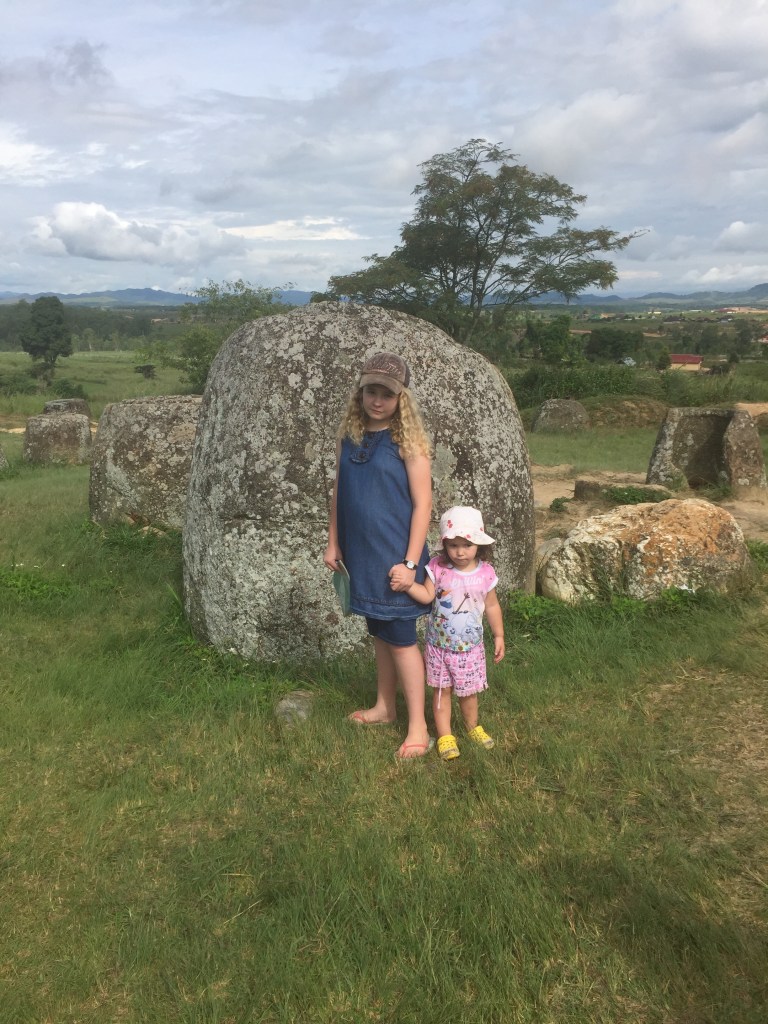
Two children standing next to a large megalith in a grassy area with trees and mountains in the background.

Visit to the Plain of Jars, Laos PDR.
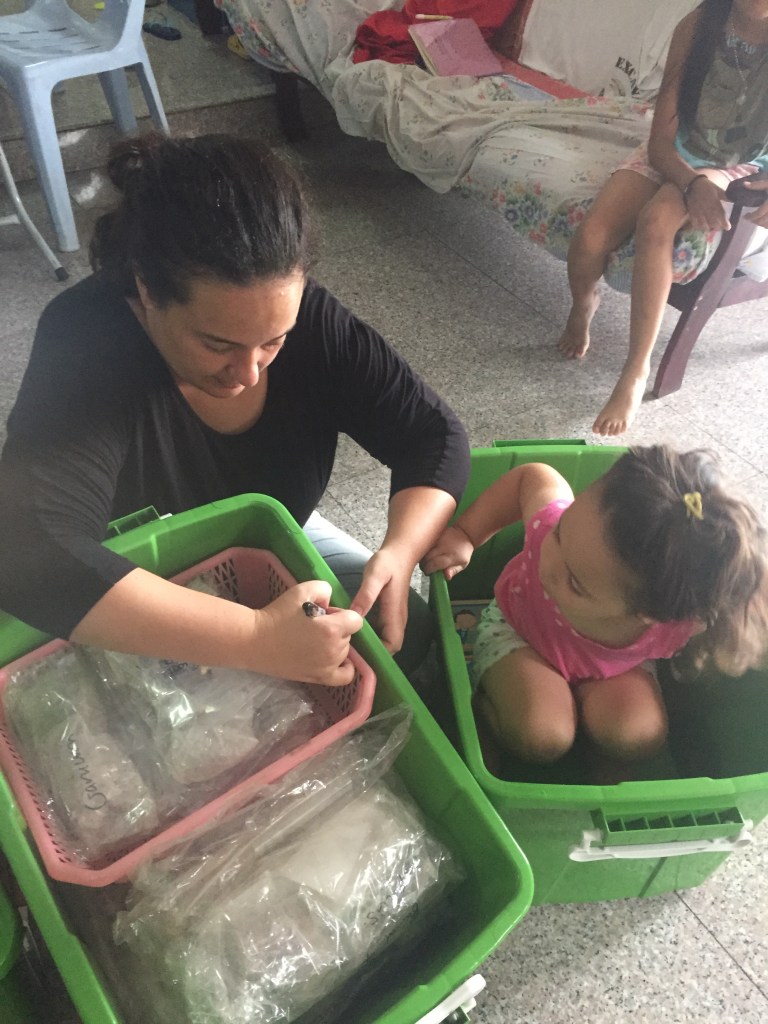
A woman in a black shirt organizes items in green storage bins while a young girl in a pink shirt sits in one of the bins, watching intently.

Packing human burials away with some ‘help’
Reflections on the Ethics of Working with Infants from Museum Contexts

I have been reflecting on the work that I have been doing, particularly within museum contexts. There has been a recent increase in interest in the study of the ethics of bioarchaeological practice; however, there has been considerably less in the context of anatomical collections. This is despite the fact that the individuals collected are often from marginalised sectors of the community, e.g., institutionalised individuals.

Within the anatomical museum context, there can be a lack of clear provenance information and loss of relationship between human remains held in collections and acquisition records. However, I feel that to move forward in ethical ways, we need to know who these people were and where they came from. 

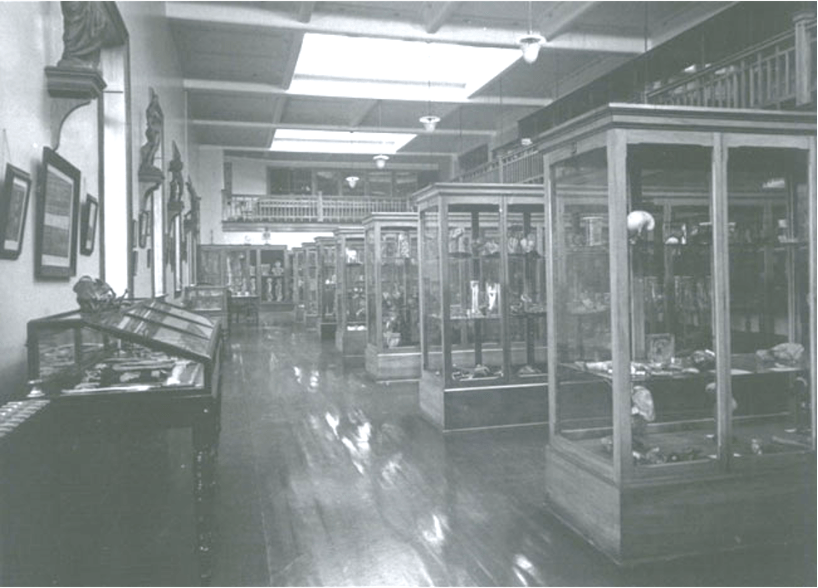
I have, with students and colleagues from Takarangi research, been focused on an analysis of the acquisition records and the skeletal and preserved human remains from the W. D. Trotter Anatomy Museum founded in 1876, which represents the largest anatomical museum in the southern hemisphere. Despite the historical nature of the collection, there is a dearth of research on the people themselves and very little research on the historical archives of acquisition practices.

The Anatomy Museum as it was in 1927
Otago Bulletin

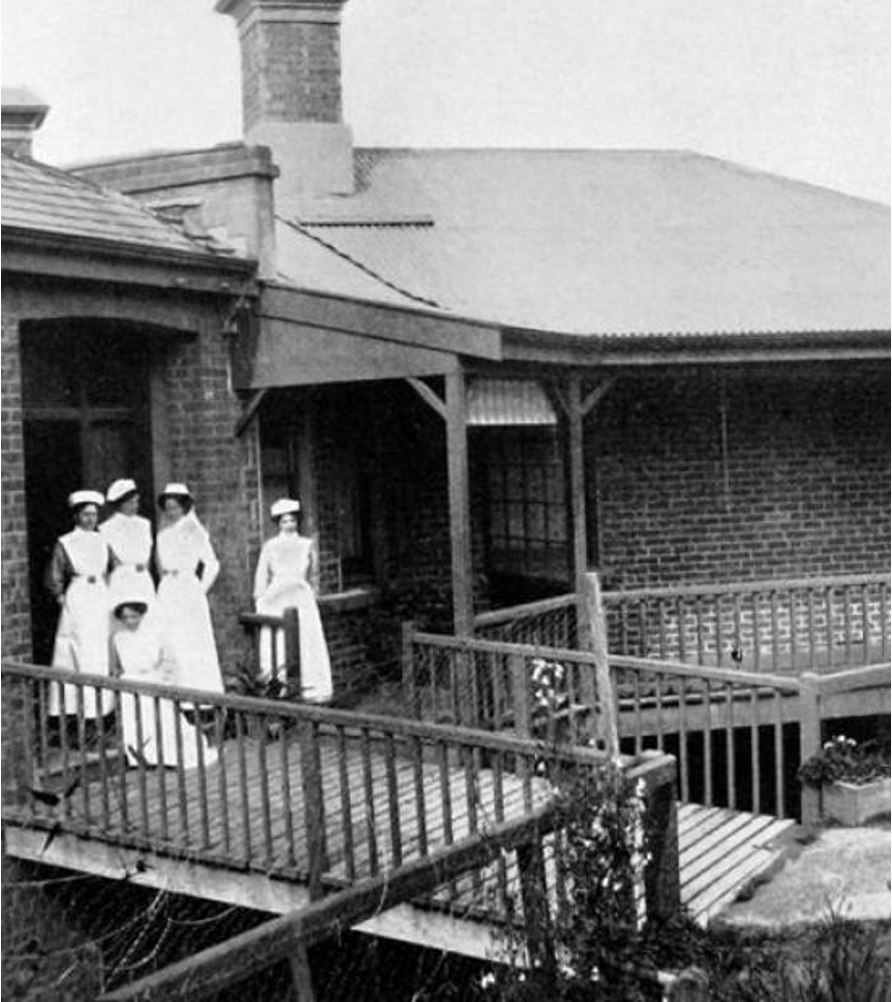
Some of our recent work has looked at the babies represented in the skeletal collections, of which there is a loss of attribution of the acquisition records to the human remains themselves. Through our analysis of the skeletal remains of the infants, we found that there was a number of preterm babies and those with developmental defects. The age-at-death and the pathology reflect the archival records of age and cause of death. The loss of attribution between the records of acquisition and the babies’ remains, along with the way in which a lot of these remains are curated by bone type rather than as individuals, also points to the anatomisation of the body, effectively stripping the individual identity of these babies. We found that of the babies for whom we had names and could find birth and/or death records, many were born to mothers who were unwed and/or from low socio-economic backgrounds. These babies were often born (and died) in mother-baby homes for the unwed (e.g., Batchelor’s Hospital).

The front view of the Forth Street Maternity Hospital (later called Batchelor’s Hospital) in Dunedin. Otago Witness, 18.6.1913

At times, I have questioned whether this research risks repeating the very harm it seeks to address. Some have suggested that analysing these remains may re-objectify the infants, turning them once again into subjects of study. There has also been some hesitation within the university about pursuing this work.

However, I remain of the opinion that silence is not more ethical than engagement. To be transparent about what our collections contain, we must be willing to look closely—however uncomfortable that may be. For me, this work is about re-establishing connection: about naming, contextualising, and acknowledging. It is an attempt, however small, to restore fragments of identity and to confront the histories that allowed these infants to become anonymous specimens in the first place.

This research does not resolve the ethical tensions inherent in working with human remains. But it is, I hope, a step toward greater honesty, accountability, and care.

SSCIP Annual Conference – University of Otago, New Zealand 2021 – Registration and conference schedule

A reminder that the 13th Annual SSCIP Conference is being held via Zoom from the 25th to 28th of October (British Summer Time). It is hosted and organised by Associate Professor Siân Halcrow of the University of Otago, New Zealand, and has been scheduled into eight short sessions over four days to accommodate the different time zones of participants.

Keynote addresses will be made by Professor Maureen Carroll of the University of York, Associate Professor Alison Behie of Australian National University, Professor Holly Dunsworth of the University of Rhode Island, and Professor Sarah Knott of Indiana University Bloomington.

If you are interested in attending any of the eight sessions you can register for free using the following link: https://www.eventbrite.com/e/society-for-the-study-of-childhood-in-the-past-conference-tickets-179748280947. After you register you will be sent a confirmation email. Zoom details for the event can be found by clicking the “View the event” button in this email.

Information regarding the conference schedule and abstracts for all the talks can be found at the following link: https://docs.google.com/document/d/1TqiAhXRo9NEiHPqTD1_OxOgh-wxf4dt0_jcIHQaWG2Y/edit?usp=sharing

Session times:

Day One / 25th October 2021 – Session One: 8am – 10am BST

Day One / 25th October 2021 – Session Two: 9pm – 10pm BST

Day Two / 26th October 2021 – Session One: 8am – 10am BST

Day Two / 26th October 2021 – Session Two: 9pm – 10pm BST

Day Three / 27th October 2021 – Session One:  8am – 10am BST

Day Three / 27th October 2021 – Session Two: 9pm – 11pm BST

Day Four / 28th October 2021, Session One: 8am – 10am BST

Day Four / 28th October 2021 – Session Two: 9pm – 11pm BST

Childhood and the development of urbanisation

The collection of papers in this special issue of Childhood in the Past edited by Francesca Fulminante showcase research on infancy and childhood with sophisticated theoretical and methodological approaches to this topic. This issue represents a significant contribution to understanding the role of children and childhood during the transition to urbanization in Europe through the lens of multiple approaches, including bioarchaeological, archaeological, cognitive developmental (palaeoanthropological), sociological and historical research on infants and children, using a variety of new analytical techniques. This issue moves chronologically from the consideration of cognitive development during prehistory to the nineteenth-century urban environment. Check it out!

Moulded terracotta, beige clay with inclusions, H 9,3 cm, W 6 cm, Veii, sanctuary of Campetti 1, Rome, Museo Nazionale etrusco di Villa Giulia, inv. n. C/168. 3rd–2nd c. BCE. See Pedrucci 2021, 236, Veii 60. Courtesy of the Museum. © Mauro Benedetti.

Online resources on infant and child bioarchaeology for teachers and students

Screen Shot 2018-02-05 at 7.53.04 PM
There is an increasing number of online imaging resources and software useful for the bioarchaeology of infant and children. These resources are of particular use for teaching.

Online Imaging Resources and Software

Gwen Robbins Schug from Appalachian State University (US) has developed Osteological Teaching Resources, which features a growing collection of 3D scans of human fetal and perinatal remains. Digitised Diseases, developed by the University of Bradford (UK), is a significant paleopathological resource with an impressive array of 3D models of bone pathology useful for comparative purposes. Infants and children are featured in many of their disease category types, particularly in the metabolic disease section. eSkeletons, an interactive resource for students in biological anthropology, contains limited child osteology resources. The AAOF Craniofacial Growth Legacy Collection, a database on
craniofacial development in modern children developed by the American Association of Orthodontists for clinical use, may be of use in teaching and research by bioarchaeologists. El Atlas de Osteología Infantil FACSO is being developed for teaching and learning purposes and includes infant reference material. Three-dimensional data sharing is starting to be used among paleoanthropologists for recording and sharing new fossil hominin finds, particularly because of their rare and unique nature.
However, it is our understanding that there are no open access 3D scan data of infant and child remains. There is also little software available featuring infant and child osteology. The interactive 3D skeleton viewer Dactyl (by Anthronomics), designed by Tim Thompson from the University of Teesside (UK), has some examples of child bones. Most bioarchaeologists construct their own databases for data collection in both lab and fieldwork situations. There is an increasing number of human fetal, infant, and child casts available for purchase from Bone Clones, Inc. and France Castings for teaching and research purposes.

AAOF Craniofacial Growth Legacy Collection.

Extensive open-access database produced by the American Association of Orthodontists
Foundation (AAOF), which includes nine collections of longitudinal craniofacial growth and development records in the United States and Canada. Developed for clinicians, but also represents a useful resource for craniofacial development for teachers and researchers in the field of childhood bioarchaeology. Material includes skull, dental, and hand-wrist radiographs.

Dactyl (by Anthronomics). Tim Thompson, University of Teesside, UK.

An interactive 3D viewer loaded with photo-realistic models of bones, allowing you to rotate and zoom in on each model. The viewer comes with three preloaded adult bone elements, and there are additional packs that you can purchase, which include a “non-adult pack” with 2 bones (femur and ilium). This app is available for purchase on iTunes and can be downloaded onto an iPad.

Digitised Diseases. University of Bradford, UK.

An open-access resource featuring human bones that have been digitized, with a wide range of pathological-type specimens from archaeological and historical medical collections. Infant and child pathology cases including trauma, metabolic, and infectious disease. Includes photorealistic digital representations of 3D bones that can be viewed, downloaded, and manipulated on a computer, tablet, or smartphone.

El Atlas de Osteología Infantil FACSO.

An open-access atlas project developed by students of physical anthropology at the University of Chile. This atlas is part of a larger project of developing human osteology resources for teaching and learning. The infant material is from the site of Pica 8, northern Chile, from the Late Intermediate Period.

eSkeletons. University of Texas at Austin.

Useful interactive resource to learn about human skeletal anatomy and comparative primate skeletal anatomy. Limited child osteology, including a life-size print of juvenile human bones in their teaching resources. Useful for students of all stages.
eSkeletons. University of Texas at Austin.

• Robbins Schug, Gwen. Osteological Teaching Resources. Appalachian State University.

Provides 3D scans of human fetal bones to be used for teaching purposes. The database is added to over time, with the ultimate goal to provide scans of all the skeletal elements from fetuses of different ages and perinates, cases of pathology, and traumatic injury. For access email: Robbinsgm@gmail.com

A comprehensive online resource on childhood bioarchaeology published with Oxford Bibliographies is available here free to download.

This will be useful to all bioarchaeology and human osteoarchaeology students, and academics for research and teaching.

Halcrow, Siân E.; Ward, Stacey M. “Bioarchaeology of Childhood.” In Oxford Bibliographies in Childhood Studies. Ed. Heather Montgomery. New York: Oxford University Press, 2017.

Blogs

There are a very limited number of blogs on childhood from a bioarchaeological perspective, with this blog, obviously, dedicated to the topic. The Society for the Study of Childhood in the Past has a news blog as part of their WordPress website featuring member profiles, research and conference information, and other society-related news. Other popular bioarchaeological blogs, including Powered By Osteons and, regularly include material on childhood bioarchaeology. Katharina Rebay-Salisbury has also recently started a blog called Motherhood in Prehistory, focusing on her bioarchaeological work in western Europe, which includes information on fetuses and infants in the past.

• Halcrow, Siân, and Sally Crawford. Childhood in the Past News and Blog.

This blog, established in 2015, functions to keep the members of the Society for the Study of Childhood in the Past (cited under Associations) up-to-date with news on conferences,
meetings, new research, and other opportunities in the multidisciplinary field of childhood in the past.

• Killgrove, Kristina. Powered by Osteons.

Established in 2007, this popular blog showcases Kristina Killgrove’s own research and
teaching as well as stories on recent bioarchaeological research. These blog stories often
involve child bioarchaeology. Killgrove is also a contributor for Forbes and mental_floss.

• Rebay-Salisbury, Katharina. Motherhood in Prehistory.

Established in 2015, this blog shares stories related to the author’s work investigating
motherhood in prehistoric western Europe. Often her posts include information about infants and fetuses.

Video resource on age estimation of infants and children

https://childhoodbioarchaeology.org/2019/10/16/video-on-infant-and-child-age-estimation-in-bioarchaeology/Screen Shot 2019-10-16 at 8.40.47 PM

There are numerous other educational stories on childhood bioarchaeology that will be useful for students, e.g.

Why do we have baby teeth


Skull trauma in children indicates violent pre-Hispanic Canary Island societies

There is a romanticised view that pre-Hispanic societies from the Canary Islands lived in a ‘paradise on earth’ without violence and conflict. However, recent work by anthropologists has shown that there is evidence for intentional trauma in adults from pre-Hispanic sites suggesting inter-personal violence. A recently published paper has found that the young were not spared this violence, with a high number of children from the island of Gran Canaria with skull trauma. This is significant as there is generally less evidence for violence in children compared with adults from archaeological contexts.

Screen Shot 2018-08-09 at 6.13.49 PM.png

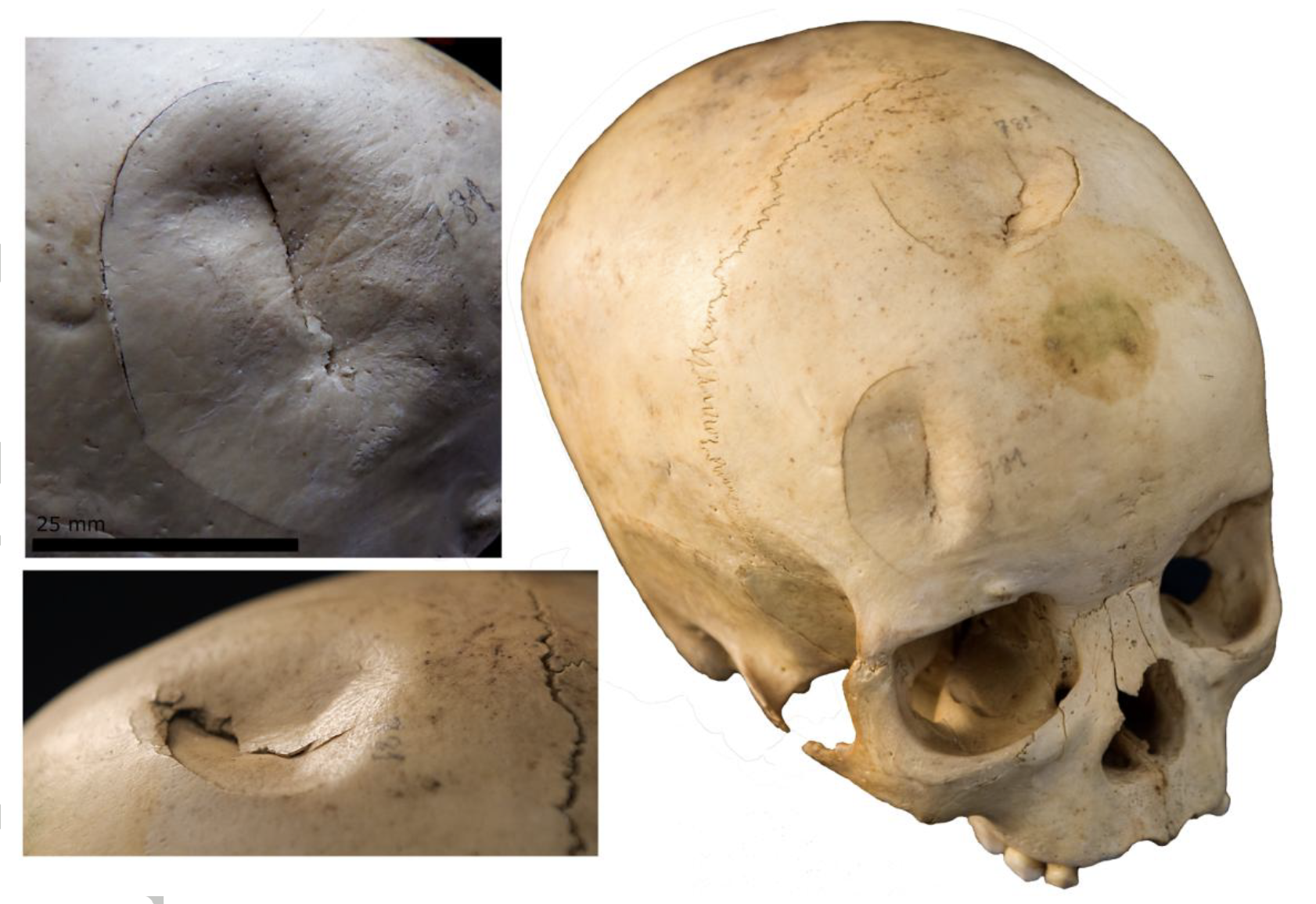
Figure 1: A seven year old child from Guayadeque, Gran Canaria, with blunt force trauma occurring around the time of death (from Velasco-Vázquez et al. 2018).


Screen Shot 2018-08-09 at 6.46.45 PM.png

Figure 2. Areas of the skull that showed traumatic injury (from Velasco-Vázquez et al 2018).

The infants and children analysed in this research are from sites that cover an expansive part of the pre-Hispanic occupation of Gran Canaria from the 6th to 15th century CE. The authors studied a total of 65 infants and children looking to identify any sharp force trauma, puncture injuries, and blunt force trauma on the skull. Fourteen children suffered from craniofacial injuries, all of which were blunt force trauma, and two of these children have evidence that this trauma resulted in their death (e.g. Figure 1). Most of the skeletal trauma occurred on the face or forehead, a similar pattern observed in adult studies of trauma in these populations (Figure 2).

Children could have been engaged as actors in this violence as well as the victims. Although early scholars painted the Canary Islands as a peaceful and bountiful paradise, ignoring  evidence for social inequality and conflict, there is archaeological evidence for marked social hierarchy and resource depletion in this insular community, which likely led to significant social unrest.

Uncovering childhood in museums

Personal Reflections By Amanda Hoogestraat, Twitter @AmehAnthro

On my recent tour of museums in the UK, I saw small reminders of children in the exhibits featuring past societies. Children were obviously a part of every community, but are underrepresented in museum collections. There is a museum devoted to childhood in both London and Edinburgh, but perhaps other museums should consider adding more children’s items to their collections for a more balanced representation of life in the communities it displays.

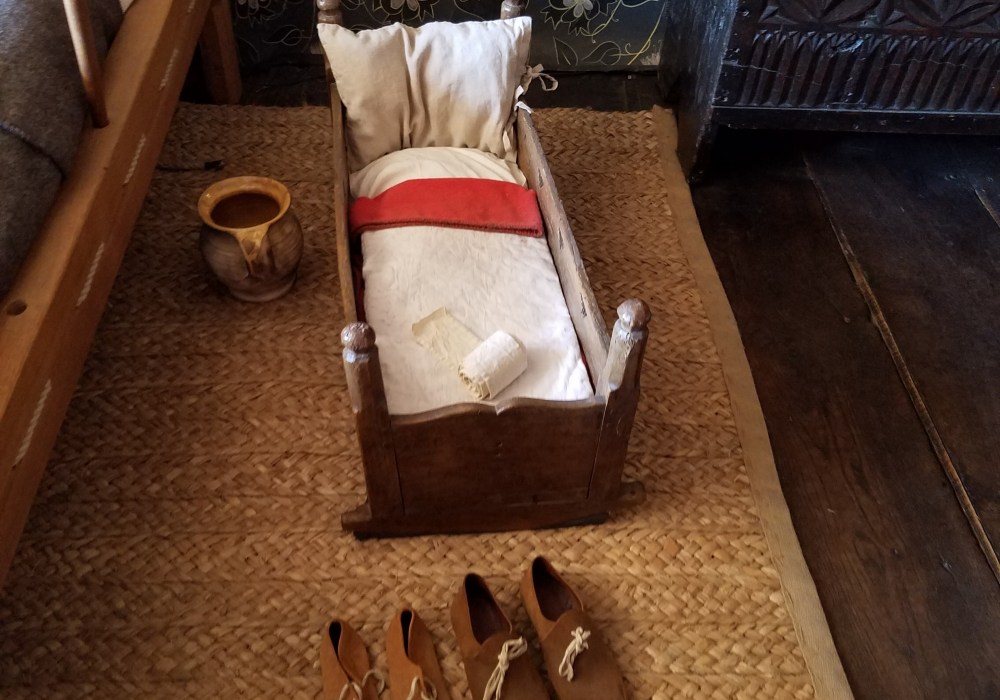
For many of the museums that had childhood material culture, shoes or cradles were the only items on view.

Four out of the 55 museums that I visited had children’s skeletal remains on display; usually infants and mostly with an adult skeletons nearby. Rarely did I see older children.

However, it was the toys that interested me the most; to see how the cherished play items were very similar to those of today.

I also observed how visiting children interacted with the exhibits, especially at museums not designed specifically for them. Some of these museums had created play areas pertaining to a display nearby.

Surprisingly, the British Motor Museum was a place that had children’s programs and school tours.

I think everyone enjoys seeing items from a childhood different from our own lives or from our own childhoods. It reminds us that across time and location, children were an integral part of the society.

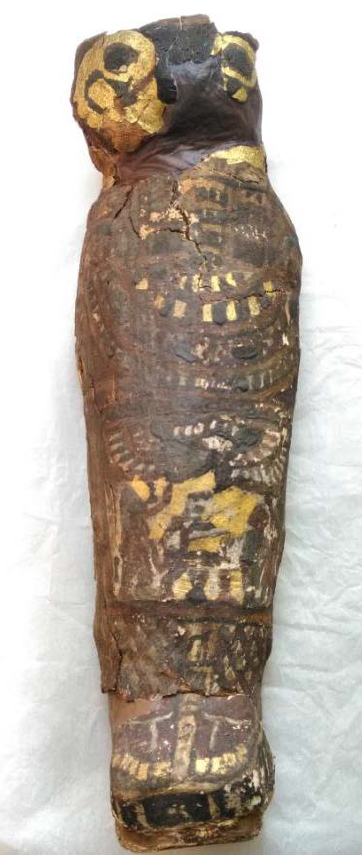
Egyptian ‘hawk’ mummy is a human foetus with a fatal birth defect

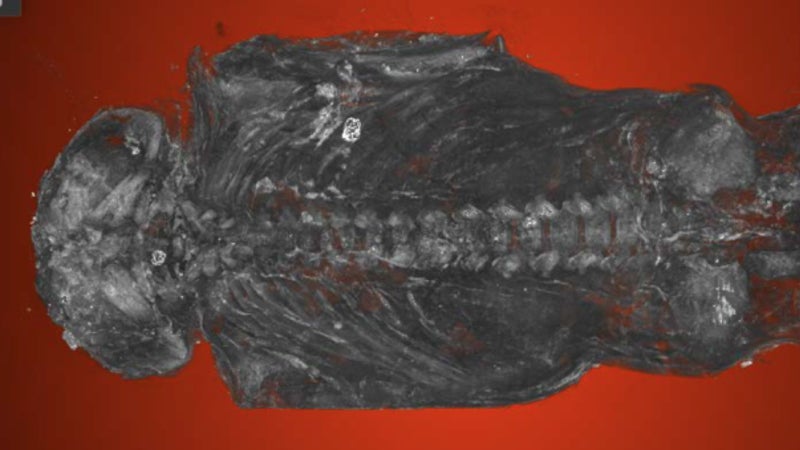
Recently researchers have made an unexpected discovery of a mummified foetus while CT scanning a 2300-year-old mummy known as Ta-Kush currently held at the Maidstone Museum in Kent. This coffin was labelled, “A mummified hawk with linen and cartonnage, Ptolemaic period (323 BC – 30 BC).”

Micro-CT scan shows the mummified stillborn human baby. Image: Maidstone Museum UK/Nikon Metrology UK

The high resolution CT scan results have recently been presented at the Extraordinary World Congress on Mummy Studies in the Canary Islands last month. The authors argue that the foetus was about 23-28 weeks gestation and had anencephaly as shown by underdeveloped skull bones.

To me, this begs the question as to whether the several other Egyptian ‘hawk’ mummies curated around the world are actually tiny babies. Further investigation of this baby and others will shed light on the social responses of grief and loss of those born too young to survive.

Watch here on YouTube Mummy ‘bird’ mystery

The coffin. Image: Western University


‘Freaks’ as museum exhibits: the case of the Boy of Bengal

Throughout history we have been obsessed with the ‘other’, the ‘weird’ and the wonderful. This is epitomised in the history of ‘freak shows’, which date back to the reign of Queen Elizabeth I in the 16th century. From this time people with unusual physical characteristics often became objects of public curiosity and were shown throughout Europe and beyond. Some of the people shown had growth syndromes (e.g. dwarfism and gigantism), growth defects (e.g. ectrodactyly, or ‘split hand / ‘cleft handand microcephaly), albinism, and the very rare syndrome of hypertrichosis, sometimes called “werewolf syndrome”, which results in excessive hair on the face and body.

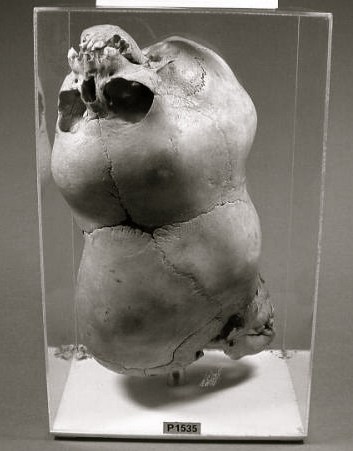
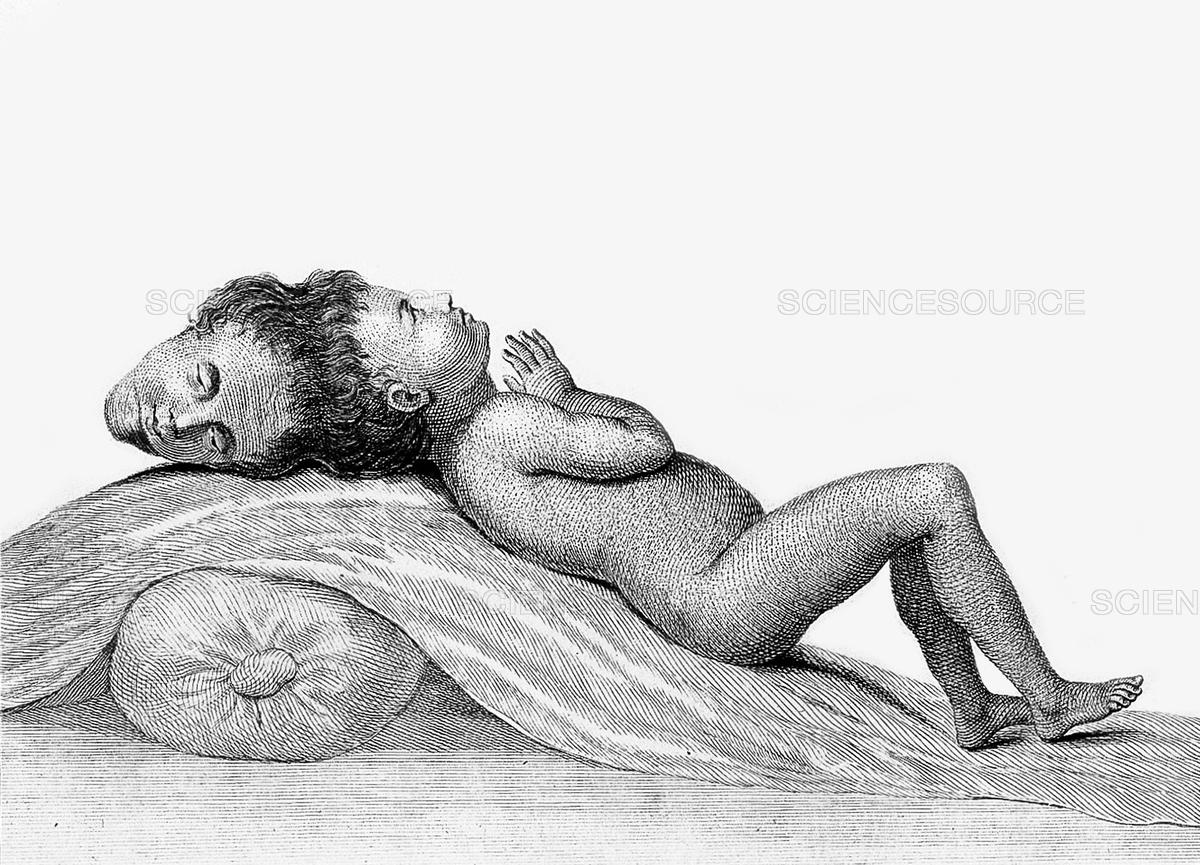
One ‘object of curiosity’ is the “Boy of Bengal” whose heads remain on display at the Hunterian Museum of the Royal College of Surgeons of London. He was born in rural Bengal in the late 18th century. His parents exhibited him publically around India, and in private gatherings. Unfortunately the boy died at the age of four from a cobra bite.

SS2876281

twin

During the 18th and 19th centuries there was an increase in medical interest in these conditions, which resulted in these people being studied, and sometimes displayed in medical forums. These people often continued to be objectified after their death through the preservation of their bodies, or parts of their bodies, in museums and clinical settings.

The boy’s grave was robbed and body dissected by as salt agent from the East India Company, and his skull was given to the the British surgeon Everard Home who had expressed interest in his condition.

This condition is now known as Craniopagus parasiticus, which is a form of parasitic twins. Parasitic twins form when a fertilised egg does not split properly, and one embryo maintains dominant development at the expense of its twin. This process is the same as the development of conjoined twins but there is an underdevelopment of one of the twins.

It could be argued that today there is still a type of grotesque fascination of ‘oddities’, evidenced with the interest that people have with these types of historic museum items such as the Boy of Bengal. We also see a continuation of the intense interest in people with unusual physical conditions today, prime examples include conjoined twins making world news and being the subjects in reality TV shows.

The notorious ‘baby murderer’ from New Zealand

One of the most high profile cases of infanticide was committed by Minnie Dean in the late 19th century, also gaining infamy as the only woman in New Zealand to receive the death penalty for her crimes. During my childhood I heard many different stories of her hideous acts, made even more pertinent given that I grew up in the same small Southland town that these crimes were committed 100 years earlier. The stories revolved around how she murdered infants by piercing their fontanelles (‘soft-spots’ on the top of their heads) with hairpins, concealed them in hat boxes, and disposed of them in rivers. Kids in the playground at our local school used to taunt others by saying, “watch out or Minnie Dean will get you!”

Minnie Dean (1844-1895) was a ‘baby-farmer’ who cared for infants and children in an informal adoption relationship in exchange for money. This type of work was attractive to lower income women in New Zealand at the time, and in other parts of the British Empire. Those she took into care were largely illegitimate children.

Minnie and her husband Charles had financial issues, with records of filing for bankruptcy. After a fire destroyed their home they lived in a very small twenty-two foot by twelve foot house. At any one time there could be up to nine children under the age of three in her care.

In 1889 a six-month-old infant died in her care, and two years later a six-week-old baby died. The inquest from the six-week-old-baby concluded that the death was from natural causes and the other children at her house at the time were well cared for but that their living conditions were inadequate. In an era of high infant mortality (about 100 per 1000 births in NZ), it isn’t surprising that that some of the children would die from illness.

Minnie started to gain even more police interest when it was found that she had been looking for more children to care, as well as attempting, unsuccessfully, to take out life insurance policies on some of the babies.

In 1892 the police took into their care a three-week-old who Dean had adopted from a single mother for £25. The baby was reported to be in a malnourished state.

Then in 1895 Minnie was seen boarding a train carrying a young baby and a hatbox. However, on the return trip she was reported to only have the hatbox. She was subsequently arrested and police searched her property and found the bodies of two babies, later identified as Eva Hornsby and Dorothy Carter, and the skeleton of an older boy (whom Dean later claimed had drowned). An inquest found that Dorothy Carter had died from an overdose of opiate laudanum, commonly used to calm babies at the time.

Before her death by hanging in August 1895, Dean wrote her own account of her life. In total, apart from her adopted children, she claimed to have cared for twenty-six children. Of these, five were found in good health after her arrest (figure below, and Esther Wallis, one of her adopted children), six had died in her care, and one had been given back to her parents. This leaves 14 children unaccounted for.

Screen Shot 2018-04-20 at 7.17.21 AM.png


There was, understandably, intense public interest around Minnie Dean’s case. Around the time of her convictions macabre dolls in miniature hat boxes were said to have been sold as souvenirs outside the Invercargill courtroom where Dean was tried.

Screen Shot 2018-04-19 at 4.30.47 PM‘Minnie Dean dolls’, URL: https://nzhistory.govt.nz/media/photo/minnie-dean-dolls, (Ministry for Culture and Heritage), updated 2-Oct-2014

Later, Minnie Dean’s own defence lawyer Alfred Hanlon wrote:

Sober, home-loving folk from end to end of the country shuddered … when the grim and ghastly story of Minnie Dean’s infamy was narrated by the prosecution. Imagine a being with the name and appearance of a woman boldly using a public railway train for the destruction of her helpless victims, sitting serene and unperturbed in a carriage with one tiny corpse in a tin box at her feet and another enshrouded in a shawl and secured by travelling straps in the luggage rack at her head.


After her conviction the New Zealand government made the process of foster parenting more regulated to stop tragedies like this happening again.

In 1994 Historian Lynley Hood published a book, Minnie Dean: Her Life and Crimes, which raises some questions surrounding the fairness of her trial and the facts in the case. Was she a victim of hypocrisy of Victorian society doing the dirty work of caring for unwanted and illegitimate children? One will never truly know, but her name remains part of New Zealand history and grisly folklore today.

Screen Shot 2018-04-20 at 7.42.27 AM.png