Bringing Breastfeeding from the Past into the Present – by guest blogger Dr. Charlotte King

Bringing Breastfeeding from the Past into the Present – some recent coverage from our chapter published in this awesome new book!

EAQuinn's avatarAnthrolactology

This month, Anthrolactology welcomes Dr. Charlotte King. Dr. King is a Postdoctoral Research Fellow at the University of Otago, New Zealand.  Her research focusses on the emergence of agricultural societies and the way in which this transition has shaped human culture and biology. She uses chemical analysis of human tissues to understand diet and human mobility in the past, as well as processes in the burial environment which might have impacted upon bone composition.

The importance of infant-feeding practices in modern societies has long been noted by clinical professionals and anthropologists, but people who study the human past (like bioarchaeologists) are also interested in breastfeeding and weaning. The knock-on effects of changes to breastfeeding and weaning practices for maternal and infant health, and mortality rates mean that they can have important implications for societies. They can contribute to population growth or increases in infant and maternal mortality. In a sense…

View original post 660 more words

Stressed-out mums and demanding children: understanding the maternal – infant interface at the beginnings of agriculture

Modern society is rooted in a dependency on agriculture. Although this is often thought to be a positive human development, the transition to agriculture-based societies had substantial negative impacts on human health, many of which continue to affect millions of people today. The bulk of these negative impacts are borne by the most vulnerable in society – mothers and children.

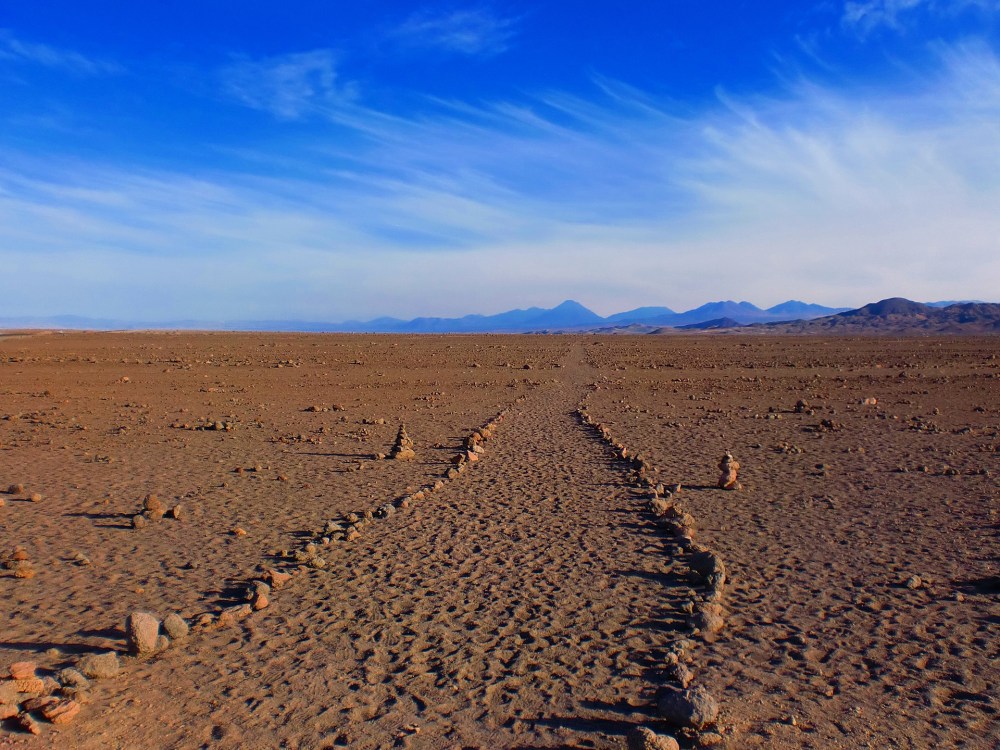
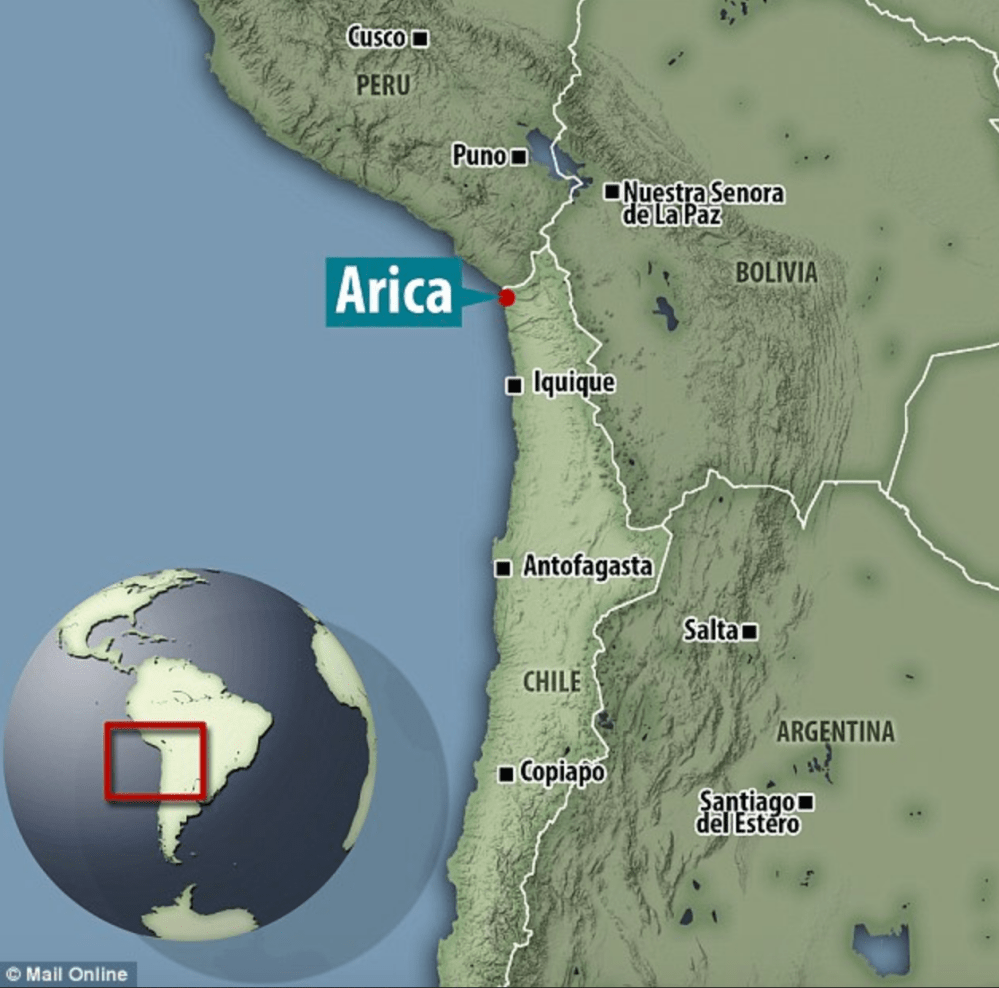
Recent research in the Arica region in the Atacama Desert in Northern Chile is giving us new insight into how the roots of this transition to agriculture in prehistory affected human society, in particular mothers and their infants. Our research collaboration between the University of Otago in New Zealand, the University of Tarapacá Chile, and Durham University in England is using a multidisciplinary approach to reveal a picture of stresses associated with food shortages, and their possible connections to premature death and vitamin deficiencies in newborn babies.

inca-919101_1920

The Atacama Desert is well-known for the earliest evidence in the world for deliberate mummification of the dead, predating Egyptian mummies by more than two millennia. The intricate funerary rituals associated with the pre-agricultural Chinchorro people of this area were largely focused on infants and children. This has led some to hypothesise that it was a social response to high rates of foetal, infant and maternal death in these populations. Historically, archaeological research in the Atacama has focused on these pre-agricultural mummies, but recent research has highlighted periods of increasing infant mortality later in prehistory – during the transition to agriculture. The ultimate causes of this increase in stress, however, have eluded archaeologists.

Screen Shot 2018-01-28 at 7.17.25 PM.png

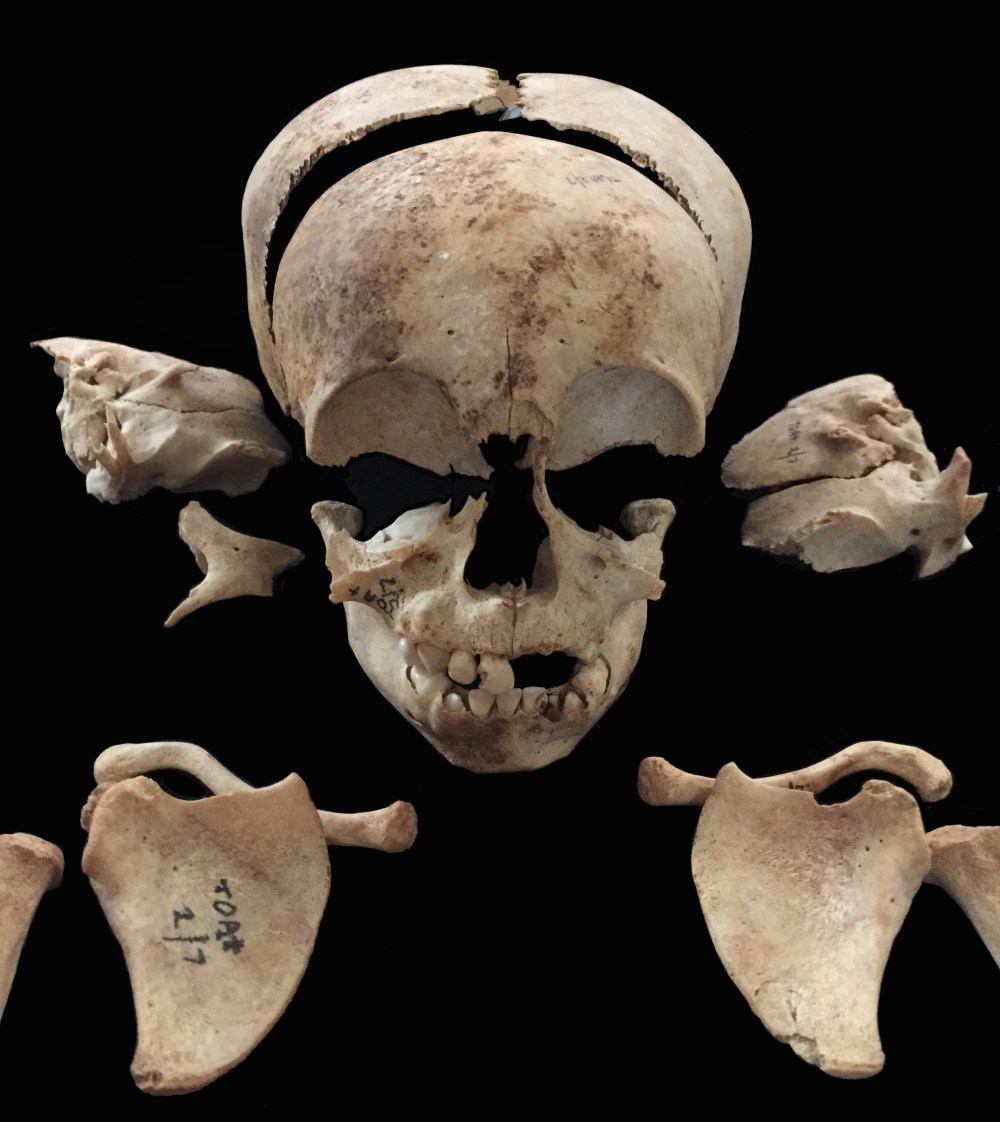
The project took a two-pronged approach to this problem, studying changes to diet using chemical signatures in bones and teeth, and assessing their health impacts by looking for signs of pathology on the skeletons of early agricultural populations. Published recently in the International Journal of Paleopathology, and covered here, an Early Formative Period site just transitioning to agriculture (3,600-3,200 years before present) showed that all the infants have evidence of scurvy (nutritional vitamin C deficiency). Interestingly, so did an adult female found buried with her probable unborn child. First author Anne Marie Snoddy says “In addition to contributing to knowledge of the interplay between environment, diet, and health in the Ancient Atacama, this paper provides the first direct evidence of potential maternal-foetal transference of a nutritional deficiency in an archaeological sample”.

This study also used new methods for analysing diet and stress using the chemistry of bones and teeth, these also reveal a picture of early-life stress recently published in the American Journal of Physical Anthropology and covered by Forbes.  “The preservation of mummies in the Atacama gives us an unprecedented opportunity to use tooth chemistry to look at prehistoric infant experience. We have chemical evidence of stress from tissues which form even before the infant is born, showing how the mother’s health is impacting her baby” says author Charlotte King. This work contributes to an understanding of the sensitive relationship between the health of the mother and infant in the past, including the maternal-infant transference of stress signals and micronutrient deficiencies.


Halcrow Anne Marie Snoddy Custom

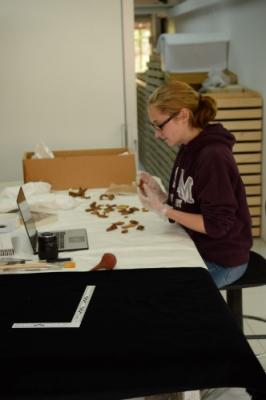
Anne Marie Snoddy doing her palaeopathological analyses in the Museo Universidad de Tarapacá San Miguel de Azapa, Arica, Chile.


The research is giving new insight into human adaptation to one of the harshest environments in the world. The Atacama Desert experiences less than 2 mm per year of rainfall, making agricultural resources very vulnerable. However, the marine environment is remarkably rich, owing to the upwelling of the cold Humboldt ocean current, resulting in an abundance of marine mammals and fish. Chemical analysis is showing that the people of the desert buffered themselves against the vulnerability of their agricultural resources by continued reliance on these marine foods. Even so, periodic food shortages from El-Niño events in the area were likely, and the skeletal evidence for vitamin C deficiency is interpreted as being related to these events.

A version of this story was originally published here.


‘Oh baby’ – new things to come for The Bioarchaeology of Childhood

2017 was a busy year for me, but I am excited that this blog is continuing to receive good readership and positive feedback. This year I have resolved to communicate new research in the broader biological anthropology field to a wider audience through more frequent posts and new content.

So why should we care about babies and kids in anthropology?

The start of life is the most critical time for humans. From the susceptible prenatal period, the hazards of childbirth, to seemingly harmless bugs that can’t be fought off by infants’ underdeveloped immune systems; their lives are fragile.

Although human babies are born in an extreme state of helplessness compared with all other primates, through millions of years of evolution there has been a development of ways to support infants and children during this critical time. Consider, for instance, the miraculous rooting reflex to find their mother’s nipple in an otherwise utterly helpless newborn, the interaction of babies’ saliva and breastmilk to fight germs, and the development of advanced social cooperative care for the young.

Anthropological reconstructions of the world were once devoid of children altogether, in line with social perception at the time that children should be seen and not heard. What we now know is that children are integral to understanding most facets of human life today and in the past. For example, early illnesses are now known to have later-life health consequences not only within our own lifetimes, but also for our children and grandchildren. Also, just as the World Health Organisation uses child mortality and growth as sensitive measures of population wellbeing, this can give us invaluable insights into living conditions in past communities. Past child mortuary practices are also central to unlocking the social identity of the young and those related to them, and therefore the wider social tapestry.

This blog will communicate the latest childhood biological anthropology, archaeology, and forensic anthropology research to a wide general audience. Future posts will share stories on coffin birth, how women’s pelvic bones adapt during their lifetime to aid in reproduction, midwifery in our hominin past, past childcare practices, and much more.

Here are three of the most read pieces from 2017:

Why were so many babies murdered in the past?

The late mediaeval agrarian crisis and the Black Death revealed through stressed childhoods

Having babies as an academic archaeologist

Thank you for your support and all the best for 2018!


Sian image1

This method in sex determination may revolutionise what we know about the past

We are often hindered in archaeology and forensic anthropology as we cannot safely determine sex in infants and children using non-ancient DNA (aDNA) techniques, leaving much of our understanding about a myriad of aspects of gender and health untouched. The methods we have for infant and child sex estimation that use size and shape of the skeletal remains are not sensitive enough to assess sex differences until after puberty. Using ancient DNA analysis to determine sex is also problematic due to preservation and contamination issues, as well as its destructive and costly nature. Although there have been attempts of aDNA sex determination of purported infanticide victims from Romano-British sites, they have been severely limited to sampling very small proportions of the infants at the sites.

A new study published in the Proceedings of the National Academy of Sciences has presented an exciting method that can determine the sex of human remains more easily and with minimal destruction of precious archaeological samples. By using tiny samples through a process of surface acid etching of tooth enamel they have shown that they can identify sex chromosome-linked isoforms (proteins that have a similar but not identical amino acid sequences) of amelogenin, an enamel-forming protein, by a form of specialised mass spectrometry. A mass spectrum, in simple terms, measures the masses and therefore the chemical characteristics of a sample.

Tooth enamel is the hardest tissue in the human body due to its high mineral content and is therefore best preserved in the burial environment. This study used archaeological samples from the UK spanning from over 5,000 years ago until the 19th century, and found that in all cases the sex determined using this new method agreed with the assignment of sex by either coffin plates or other osteological techniques.

This study is a game changer for archaeology and forensics, which will allow many avenues for research that have been hitherto untouched, and will be of particular value in the burgeoning field of the study of children in the past. With knowledge of sex we will be able to explore, for the first time, gender-based practices in care, infanticide, diet, as well as start to tease apart the nuances of differences in health and growth between male and female infants and children in archaeological samples.


Screen Shot 2017-12-13 at 12.33.25 AM.png

Why were so many babies murdered in the past?

Hundreds of babies of prostitutes getting thrown down a water well in ancient Roman times in Israel; whole cemeteries of unwanted ‘brothel babies’ in Roman period Britain; thousands of Carthaginian babies sacrificed; and purported sacrificial Mayan child victims with ‘supernatural’ obsidian stones. These are just some of the kinds of sensational research stories on infant burials from archaeological collections that are frequently reported. The preoccupation of archaeological research with the subject of infant murder and sacrifice may conjure up images of babies being uncared for in the past, and that infanticide was a common or even accepted practice. However, as with any research, it is important to ask how we can check the validity of these interpretations. Using multi-faceted anthropological studies, we can get closer to disentangling the truth on infant murder in the past.

In legal terms “infanticide” refers to the deliberate act of killing any infant under the age of 12 months. The act of killing unwanted babies is often carried out at the time of birth (the neonatal period), so the term “infanticide” is often used as a synonym for “neonaticide”. It has been stated that babies have been killed in many cultures and in all times in history. Anthropologist Laila Williamson (1978: 61) has gone as far to argue that:

“Infanticide has been practiced on every continent and by people on every level of cultural complexity, from hunter gatherers to high civilizations, including our own ancestors. Rather than being an exception, then, it has been the rule.”


Screen Shot 2017-09-21 at 11.03.57 AM

Figure 1. Anti-infanticide tract depiction of infanticide by drowning, Qing Dynasty, circa 1800.

Non-human primates, including our nearest living relatives, the chimpanzee, have been observed carrying out infanticide. In chimpanzees, this is typically undertaken by an unrelated adult male, the reasoning often hypothesised to be a type of sexual selection to confer reproductive advantage to the male. More recently female-led infanticide has been observed in chimpanzees, the perpetrators also being unrelated to the infants.

The motives for human infanticide are varied. Unique to humans is gender-based infanticide, and it is a parent who often carries out the infant killing. A striking example of gender-based practice is modern female feticide and infanticide, with around half a million female fetuses purposely aborted in India each year alone, as well as the thousands of female babies that are killed soon after birth. Other causative factors for human infanticide relate to poverty, social pressure, and the birth of infants with severe physical deformities. The interplay of poverty and domestic violence towards mothers are argued to have played an integral role in the famous ethnographic research by Scheper-Hughes in which she argued selective neglect or “passive infanticide” occurred in shantytown Brazil.

The actual acts of infanticide in humans are usually non-violent or ‘passive’, including exposure and smothering. The most common method for killing babies in non-Christian societies was drowning. For example, historical texts from the Qing Dynasty often use the term ni nü (to drown girls). There is also documentary evidence for drowning in the Roman Empire, classical Greece, and in Viking Scandinavia. The practice of infanticide is also often carried out covertly and without normative burial ritual.

Although there is documentary evidence for the practice of infanticide in many places and times in the world, most cultures actually condemn its practice, and some would argue that instances of infanticide are generally isolated.

Why, then, is there such a research focus on the practice of infanticide in our past? Do these simply appeal to researchers for publishing a high impact publication, or to news agencies publishing sensational click-bait stories that tug at our heartstrings?

Screen Shot 2017-09-21 at 11.16.47 AM

Figure 2. Early 19th century engraving by an artist associated with William Carey, purporting to show infanticide by drowning in the Ganges River.

Although anthropologists are generally very careful to recognise their own cultural biases in their research, there is undoubtedly a hangover from the 19th century interest of “others” and “dark” practices. Or do anthropologists in recognising their subjective biases on the importance placed on children in Western society today overcompensate and inadvertently dismiss the value placed on infants in the past?

While infanticide did happen in the past, whole cemeteries devoted to murdered infants seem fictitious when we consider a more contextually nuanced approach. A case in point of an unsupported interpretation of infanticide comes from the Yewden Roman villa site at Hambleden in Buckinghamshire, England. The main argument for infanticide at this site (and other purported infanticide sites) is a high peak of deaths at around the time of birth. While the site was reported as a “mass grave,” the 97 infants were buried over a period of 300 years. Of the 35 infants that have been analysed these range in age from 32-43 gestational weeks (around 7 months gestation to into the newborn period). A researcher from the project has been reported in media arguing that this was a burial site connected with a brothel and a curator of the local county museum has been reported saying it was some type of birthing centre, perhaps connected to a shrine for a mother goddess.

There is no contextual evidence that links this burial site to a brothel, and 97 infant deaths over a few hundred years is not an excessively high mortality rate. The assumption that a high rate of infant mortality around the time of birth equals infanticide is problematic as there are many archaeological samples that have high mortality peaks around the world, including sites in North America, Serbia, Greece, Egypt and Southeast Asia. Historical medical mortality records also show a high peak of death occurring around birth and it is acknowledged as the most critical time in a baby’s life. The birth of pre-term babies (younger than 37 weeks gestation) at this site would have also likely had impacts on their chance of survival. A study by Mays and colleagues of an infant from the site with cuts to the femur (thigh) bone that occurred around the time of death suggests obstetric problems causing death. The cuts are consistent with the practice of embryotomy, which were undertaken in cases of fetal death during obstructed labour.

Screen Shot 2017-09-21 at 11.23.59 AMFigure 3: A newborn infant from Hambleden site (Credit: BBC)

The infant graves at the site adhere to Roman burial custom, where infants are normally placed in and around buildings and villa yards and afforded a simple burial. These burials are inconsistent with those of individuals who are killed in instances of infanticide from exposure or drowning, as this is often done covertly and without this type of burial ritual. Ancient DNA evidence from this site also provides no evidence for a sex bias in infant death.

Unwanted infants who were not cared for seems to be the default assumption in many archaeological interpretations in the past. Indeed some were unwanted, as some are also unwanted today. However, using sources of information drawn from the mortuary record, modern and archaeological mortality data, maternal health and obstetric factors, and historical information on the practice of infanticide and care for the young, we can turn our attention to engage with multiple facets of infants lives, albeit cut short.
Check out some new papers reflecting on the past 10 years of the study of childhood in the past

Take a look at the contents of Childhood in the Past – Volume 10.1 – 2017: Editorial – Ten Years of Childhood in the Past Eileen M. Murphy Invited paper SSCIP: The First Ten Years Sally Crawford Research papers Landscapes of Childhood: Places and Material Culture Margarita Sánchez Romero Child Bioarchaeology: Perspectives on the Past […]

via The 10th anniversary edition of Childhood in the Past is out now! — sscip

Is altruism dead in academia? Distinguish yourself by being kind

In the sometimes cut-throat environment of academia with limited funding and job prospects, it can sometimes feel like altruism may be lost forever. Academia can wear you down psychologically and physically, particularly so if you are an early or mid career researcher, and if you are a female and/or from a minority group.

There are always ways to support and encourage others in academia and in some instances even small acts of “giving” may really help those who are struggling. These things may be what you do and think about anyway, so congratulations! To others they may seem inconsequential, but I think that these can make all the difference to your peers and contribute in general to a happier, more collegial environment for everyone.

Here are a few ways that we can support each other:

  1. If you are writing something and know that there is a student or early career researcher who may be able to contribute their scholarship to the topic, ask them to contribute as an author. This will add to their CV and publication experience, and get their name out into the field. This may make them realise their work is valued while also contributing to the international research community.
  2. If you are invited to a conference and cannot attend, suggest inviting another scholar (in particular an Early Career researcher) who also fits their criteria. This may be invaluable to the participant’s CV and lead to other academic opportunities. Be mindful that there may be other issues with childcare and breastfeeding etc. that might hinder their attendance.
  3. Similarly, if you cannot complete a review of a paper, book, or grant etc., nominate an appropriate colleague to do this.
  4. If you are writing a grant or setting up a research project, see how you can work with an Early Career scholar, and get them involved from the start to make it truly collaborative. See how this may contribute to their other funding opportunities.
  5. Keep a note of new and existing grant and scholarship opportunities for students and other scholars in the field. I always pick up brochures for students and colleagues when I see them at conferences, and email out new opportunities when I see them online.
  6. Ask to nominate others for awards as appropriate and take the time to write the best references you can highlighting their positive attributes.
  7. Ask to nominate others for places on academic committees, and make places on committees for students and Early Career Researchers, and be mindful to make these more than just tokenistic positions.
  8. If you edit a journal or newsletter, make a space for a student and/or Early Career researcher on the Editorial Board, have a section for student papers, and provide incentives such as student publication awards.
  9. If you can see that there are issues with research methods and interpretations etc., talk with the researcher directly, rather than to others in the field.
  10. Look out for signs of mental illness in students and colleagues and offer to help by listening.
  11. Be kind to one another. “We’re all smart. Distinguish yourself by being kind” (@annegalloway)

What are your ideas to help your colleagues?

Stunted near the start of life: Evidence for severe deprivation from London’s poorest 19th century parish

New research has uncovered the extent of the impact of ill health on the urban underprivileged during the Victorian era with finds of severe growth retardation of infant and child bones. The authors show that the social deprivation at Bethnal Green in London, UK, was so extreme that this affected the growth of the long bones of babies as young as a couple of months of age.

The authors, Rachel Ives and Louise Humphrey, explain that Bethnal Green was recognised as London’s poorest parish and that “by 1847 the parish ‘had long possessed an unenviable notoriety on account of its neglected state and defective sanitary condition’ (Gavin, 1848, 5). Houses were frequently reported as damp, dark and poorly ventilated.”

This research assessed the growth of more than 140 female and male infants and children aged from 2 months to 12 years of age. Because there was sex information from the parish records, the researchers could explore sex-related growth. Here they found that there was divergence between boy and girl growth with evidence that girls experienced more deprivation. The research also showed that there was little catch-up growth in the older children, and that less than 20 percent of the individuals assessed attained 90 percent of the growth of a modern North American standard.

Although there were attempts to improve the conditions at the parish at the time, the need to house a rapidly growing population meant that these initiatives were largely unsuccessful. The health impacts of overcrowding and associated insanitary conditions led to high mortality rates (>50 percent) in children younger than 5 years of age, largely attributed to gastrointestinal disease. For some of the infants at the parish, the need for the mothers to work away from home meant that early weaning or supplementation of breastfeeding with cow’s milk would have occurred. There is evidence that contaminated water was added to cow’s milk, which would have contributed to waterborne bacterial illnesses. The authors describe historical evidence for the lack of clean water due to largely non-functioning water pipes and contamination by nearby cesspools.  Furthermore, the crowded living conditions and poor economic situation for many meant that contagious illnesses such as scarlet fever, influenza, measles, smallpox and whooping cough were more easily contracted throughout the community.

It is clear that the very young bore the brunt of the deprived conditions at the time. Further work looking at evidence for maternal health and for stress and disease from the skeletons may provide more information of the children’s shortened lives during this time of unprecedented population growth in Britain.

Having babies as an academic archaeologist

Some people consider that having children while studying or before you have gained tenure is career suicide. I had my first baby while a PhD student and my second 9 years later after I had gained tenure. For me, while having my first baby was much more difficult financially, having a baby when I was younger was a lot easier in terms of my energy levels and perseverance, even with little sleep and other responsibilities.

Don’t get me wrong, it was a tough year or so finishing my PhD after having my first child. I used to joke that completing a PhD was like being pregnant and in labour – there is a lot of hard work to form your larger thesis (the gestation part) and at the end the harder you push the faster the agony would be over (active labour)!

14290074_10154547415267437_5408822146824746437_o

After I was back from my 12 weeks leave with my second child I faced the daunting task of an unusually heavy convening and teaching load. I do acknowledge that I am relatively privileged that there are many people in the US and other countries who do not have access to this leave, and I had some flexibility with work arrangements when my daughter was very young. I found expressing and dealing with infant sicknesses an almost full-time job. A vivid memory that has stuck with me was writing a large grant application when staying in hospital with my daughter when she was 3 months old while suffering from respiration issues. There were other real disruptions, e.g., I  missed a major fellowship deadline when my baby was a newborn, which could have been a career changer for me. Although I was working long hours and being successful and productive there was a ‘dip’ in my research.

As I am a (bio)archaeologist, having children poses some real difficulties for the logistics of my work, but this also provides my children with many opportunities (see my earlier post on this).

Some universities have acknowledged that parenting and parental leave impacts upon research momentum and that parents needed additional support to help get that going again when they return to work. E.g., as part of the Athena SWAN Charter, Durham University have introduced a policy whereby staff returning from maternity/parental/adoption leave are eligible for a term of research and study leave.

There also seems to be an increase in recognition in archaeology that there are gender equity issues. Here are a hand-full of resources in archaeology that seek to encourage participation and improve the status of women in our field. Check them out!

Trowelblazers runs outreach activities and events with the aim of “encouraging participation of women and underrepresented groups in archaeological, geological, and palaeontological science.”

The Gender Equity in Archaeology Project “examines the relationship between gender, author, and editorship in conference presentations and publications as a lens to examine current disciplinary sociopolitics and the relative contributions of men and women to archaeological research.”

There are also committees that focus of gender equity in archaeology in societies. For example, the Society for American Archaeology has a Committee on the Status of Women in Archaeology which “seeks to understand the current status of women in the profession through the gathering of data and to improve the position of women in archaeology.”

There is also a resource here that lists some women’s academic organisations, including anthropology.

IMG_3259